Personal Brand · Athlete Identity · 2012 — Present
Growing The Legacy
Of A Champion
How a phone call in 2012 became one of the longest creative partnerships of my career.
How a phone call in 2012 became one of the longest creative partnerships of my career.
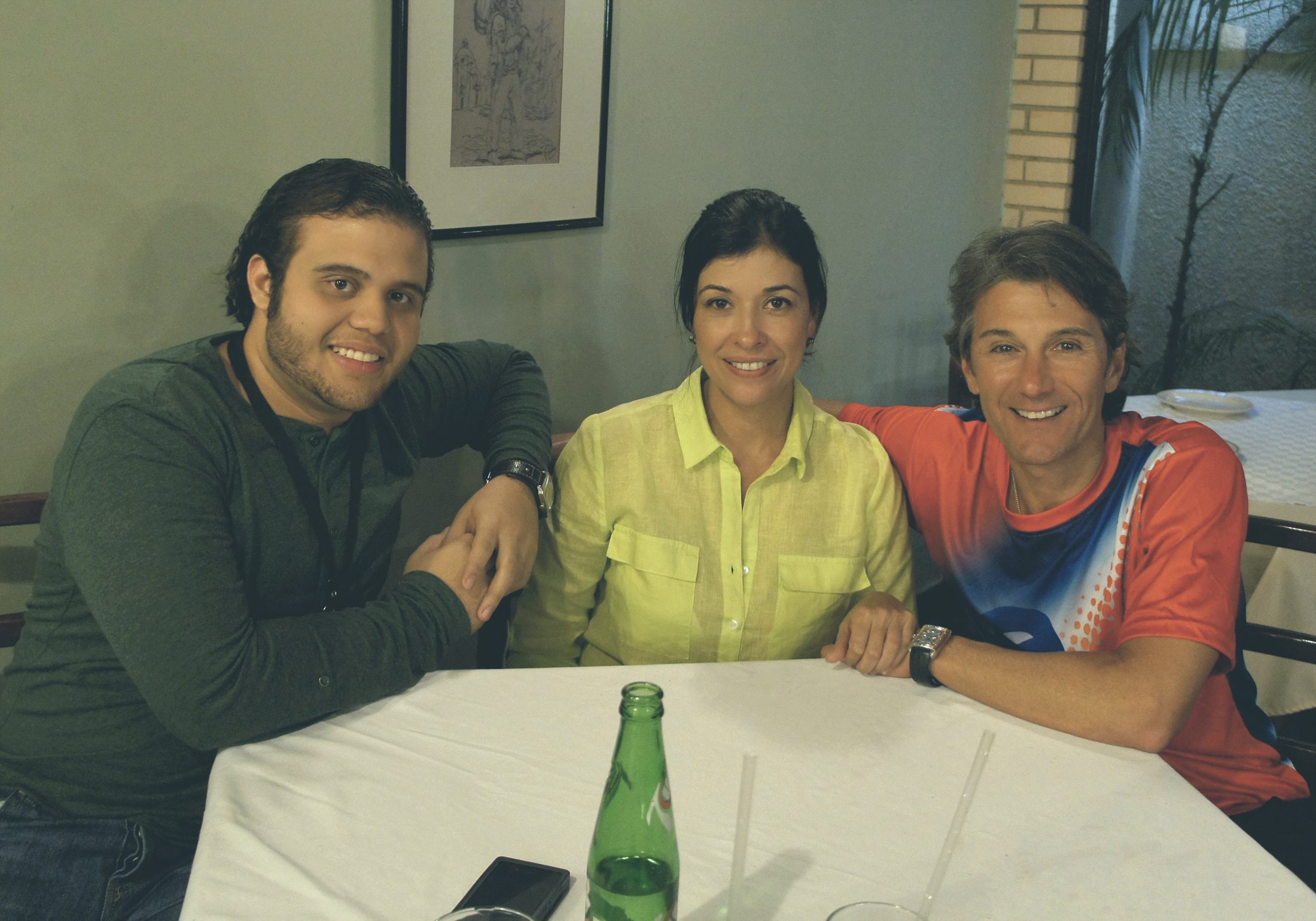
In 2012, I received what I thought would be just another client call. I was driving when my phone rang. It was Mariner Monacelli, Amleto’s wife. We hadn’t spoken in years. She told me that my father had mentioned I had recently graduated as a graphic designer and was beginning my career.
At the time, she wanted to help her husband improve his public image. Social media was still in its early days, especially in professional sports, and it was uncommon for athletes — particularly bowlers — to have a dedicated personal brand.
I accepted the meeting thinking I was about to design a logo. I had no idea that phone call would define the next fourteen years of my career.
Amleto’s original request was simple. He wanted something more recognizable than the signature printed on the back of his jerseys — a logo, and perhaps a couple of shirts to wear during the PBA Tour.
Instead of designing a logo, I proposed building an identity. A complete brand system inspired by the athlete behind the trophies.
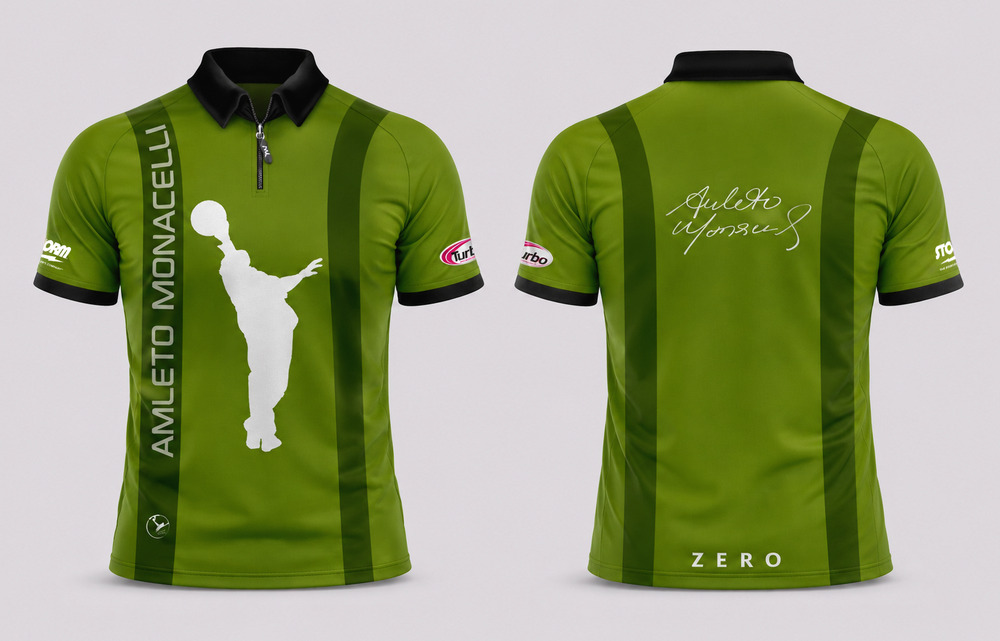
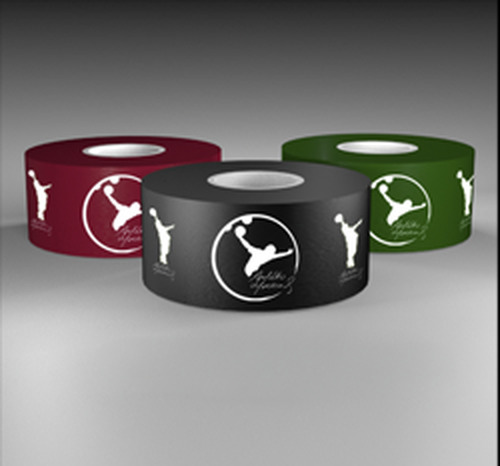
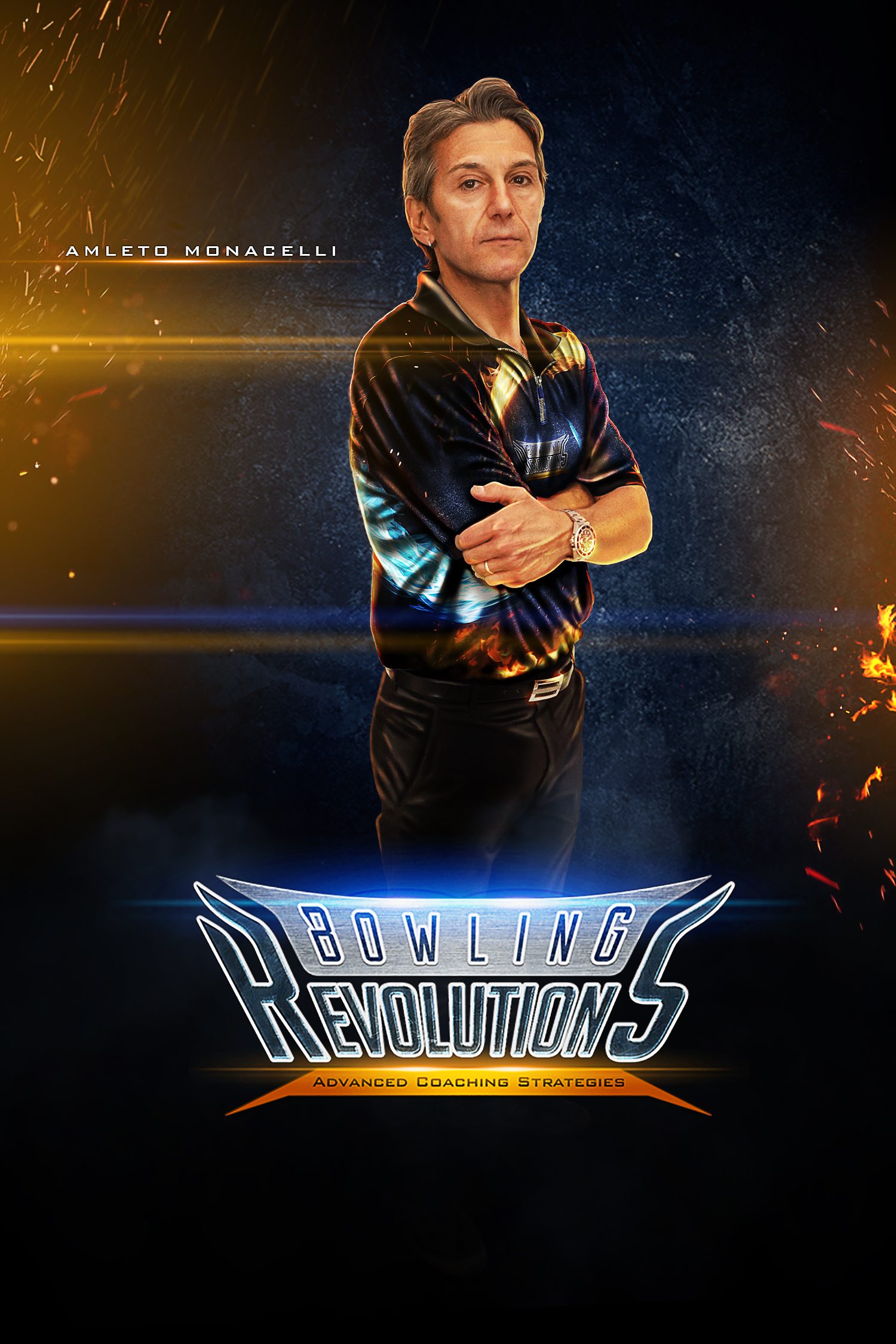
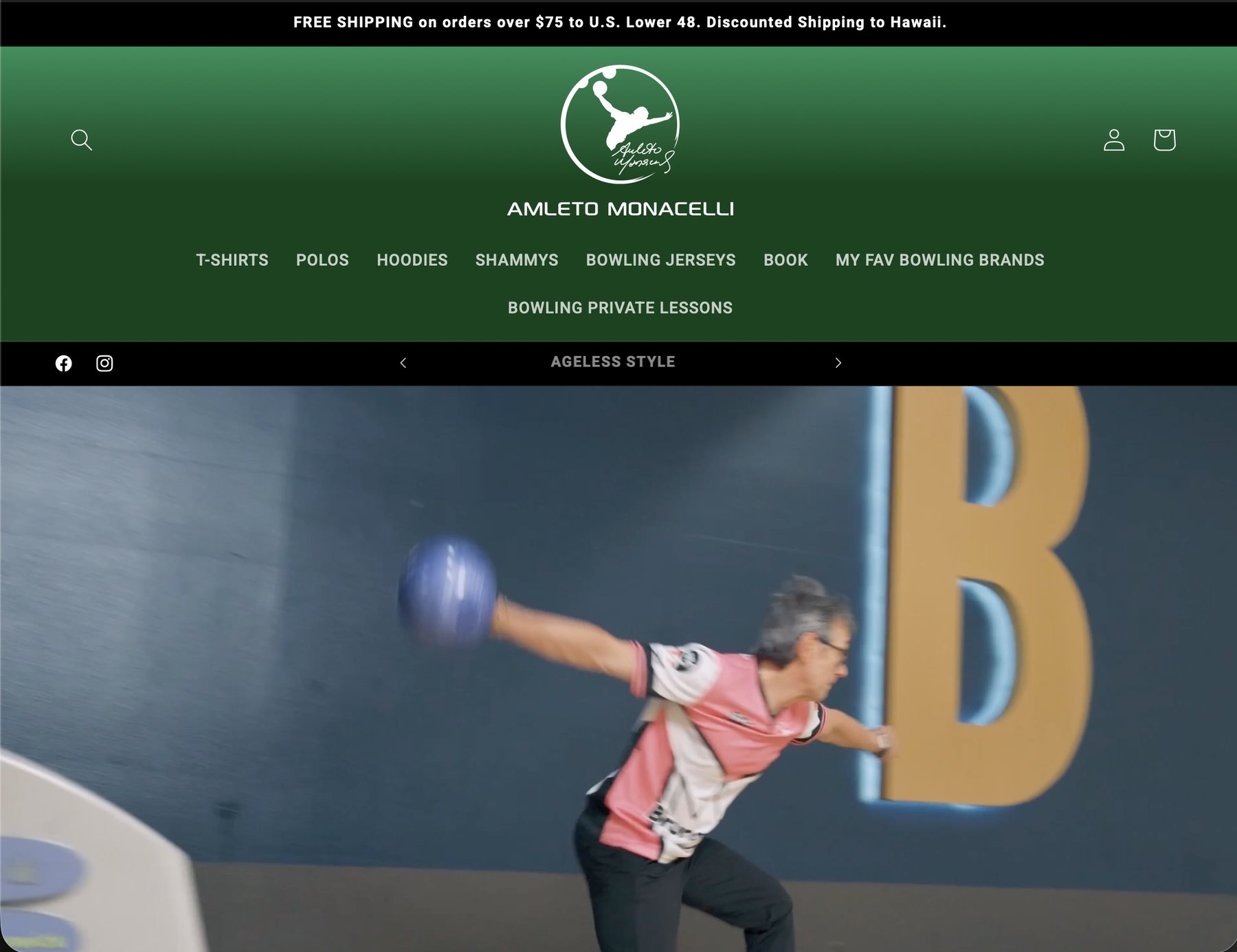
The logo itself became a reflection of who he was. His famous release silhouette. His unmistakable long hair. His signature. Everything came together into one identity. The logo wasn’t the project. It was the foundation.
The identity was built to represent not only a world champion, but the person behind the titles. Fourteen years later, the same principles still hold across every touchpoint.
Represents the bowling ball and the world of competition.
His signature movement.

Symbol of unity, continuity and a career without limits.
Authenticity. A personal seal that makes the identity unique.


 Primary typeface

When we first started working together, I knew very little about professional bowling. So I did what I always do when I take on a project: I immersed myself completely. I learned the sport. Its language. Its community. Its culture.
Eventually, something unexpected happened. I stopped feeling like an external designer. I became an extension of Amleto’s voice.
I created his first Instagram account as a public figure, managed Facebook, Twitter and every major platform that followed. I responded to private messages, replied to comments, published tournament updates, celebrated victories and communicated with thousands of fans as if I were sitting beside him.
Over time, I came to understand not only how Amleto played the game — but how he thought. That level of trust allowed him to focus entirely on competing, while I focused on making sure every interaction with his audience reflected the same professionalism, humility and passion that defined him on the lanes.
This wasn’t simply social media management. It was trust.


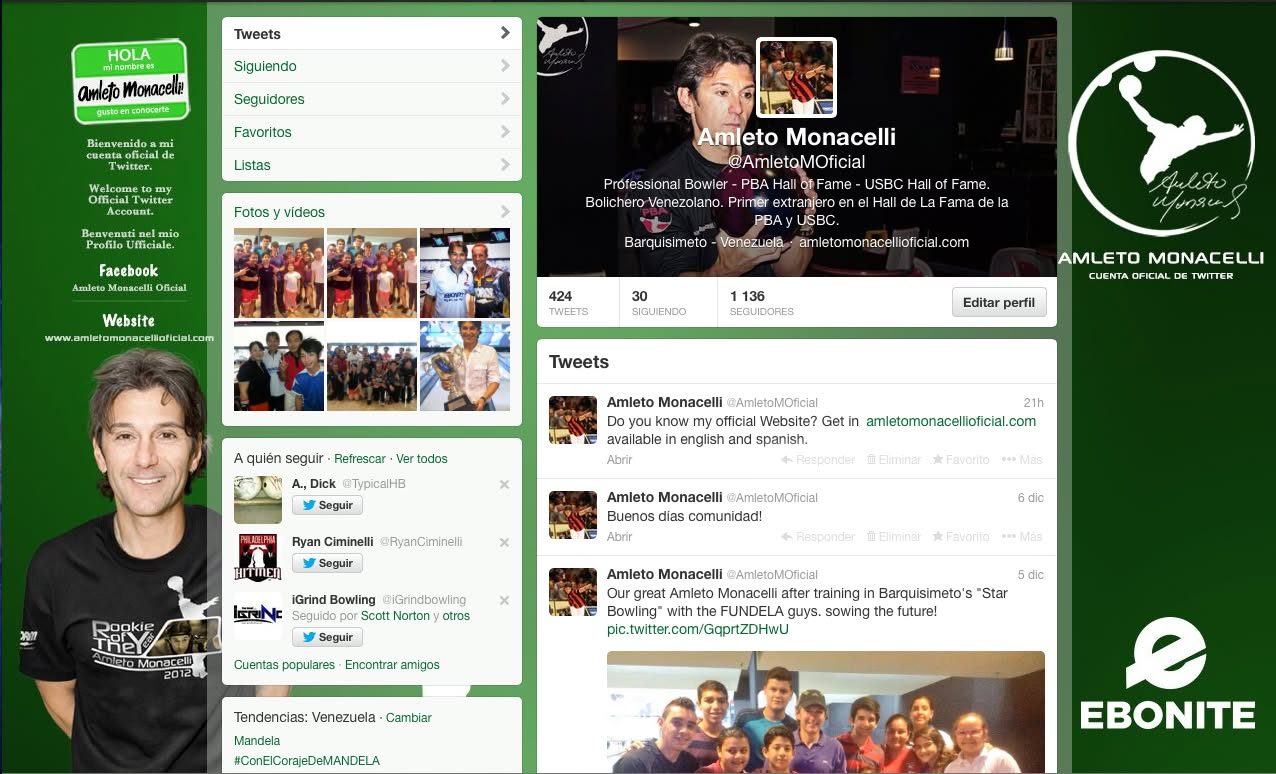
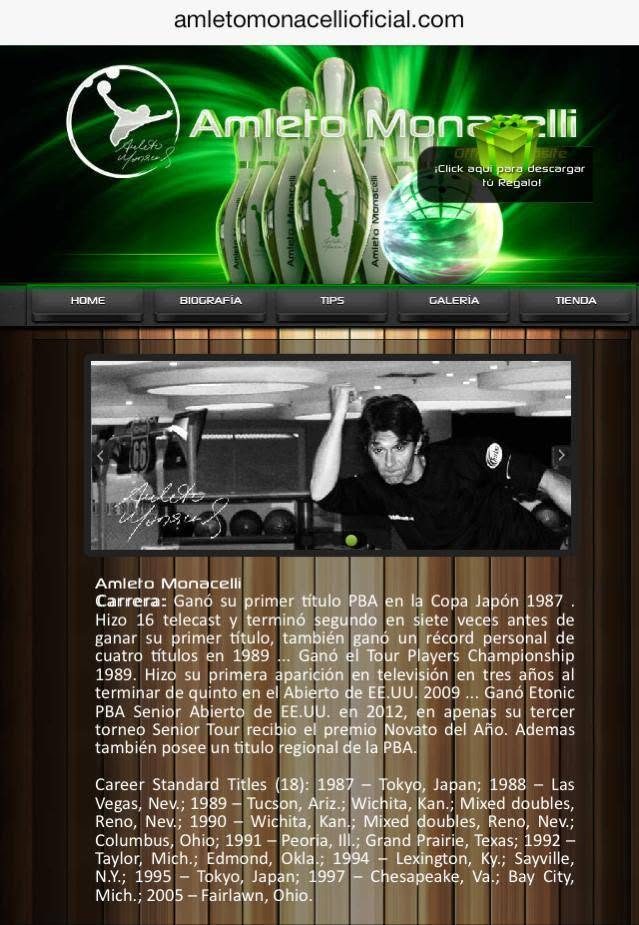
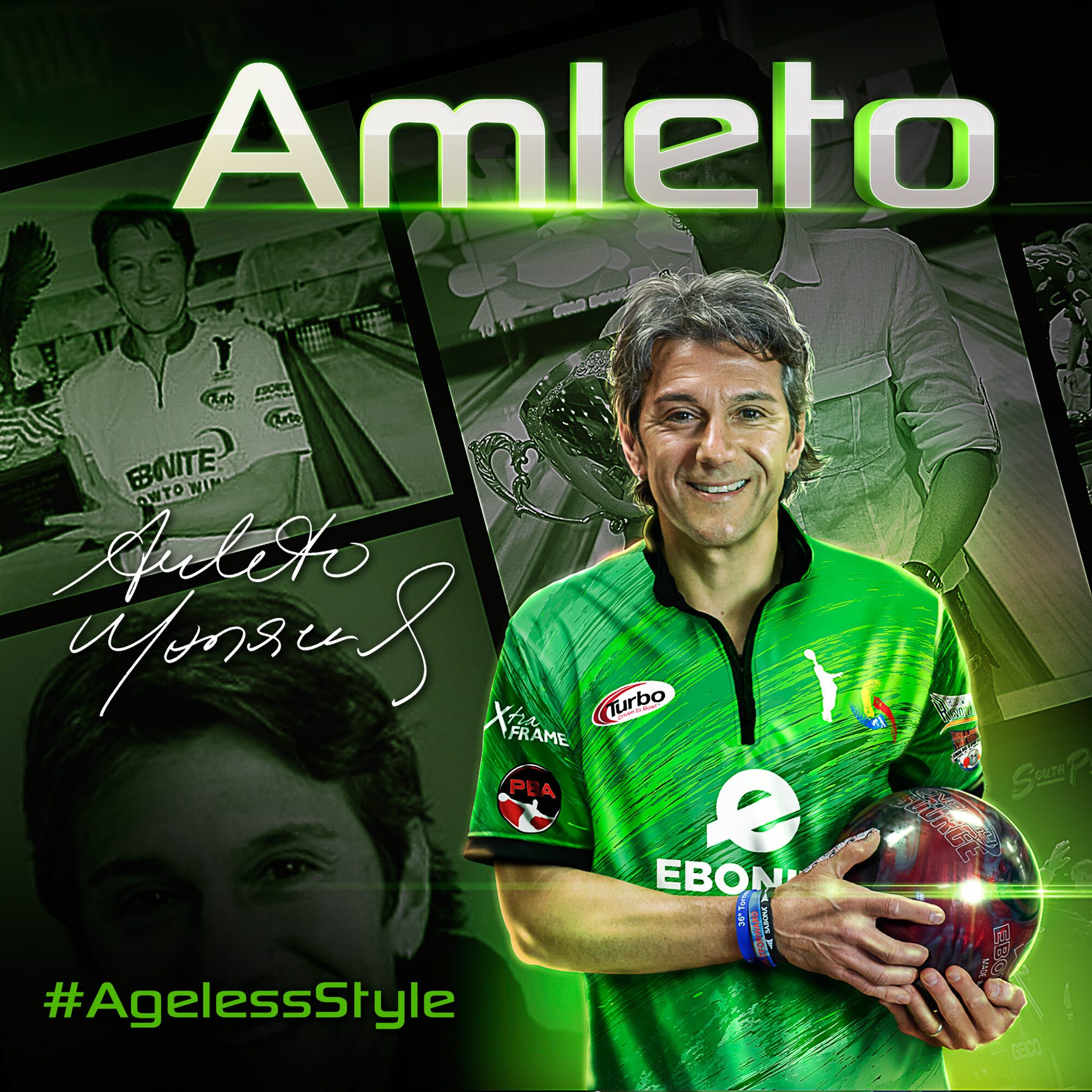
As our collaboration evolved, so did the scope of the work. What started as a logo eventually became an entire creative ecosystem surrounding Amleto’s career. Over the years I was responsible for:
At one point I even had access to his Xtra Frame account, updating frame-by-frame tournament scores in real time so fans could follow his performances live. Every season brought new opportunities. And every opportunity expanded the brand a little further.
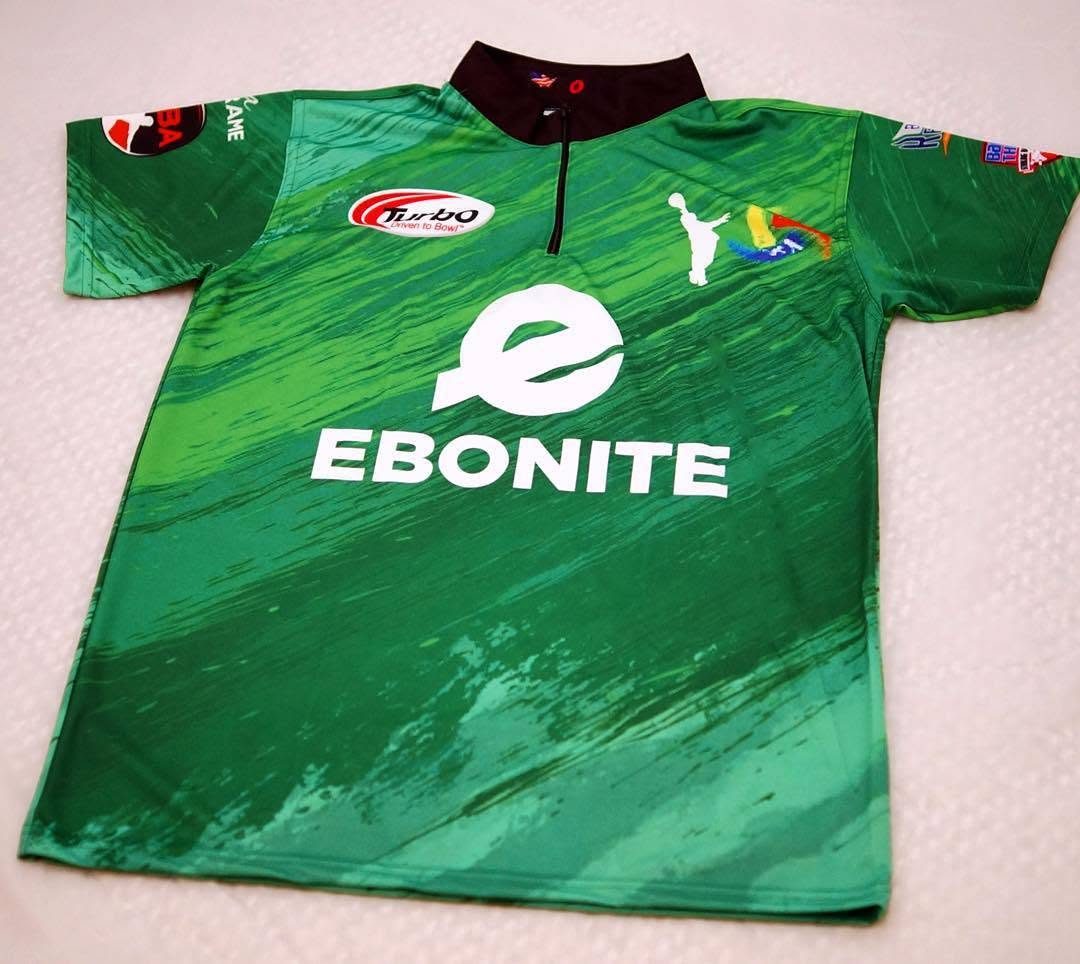
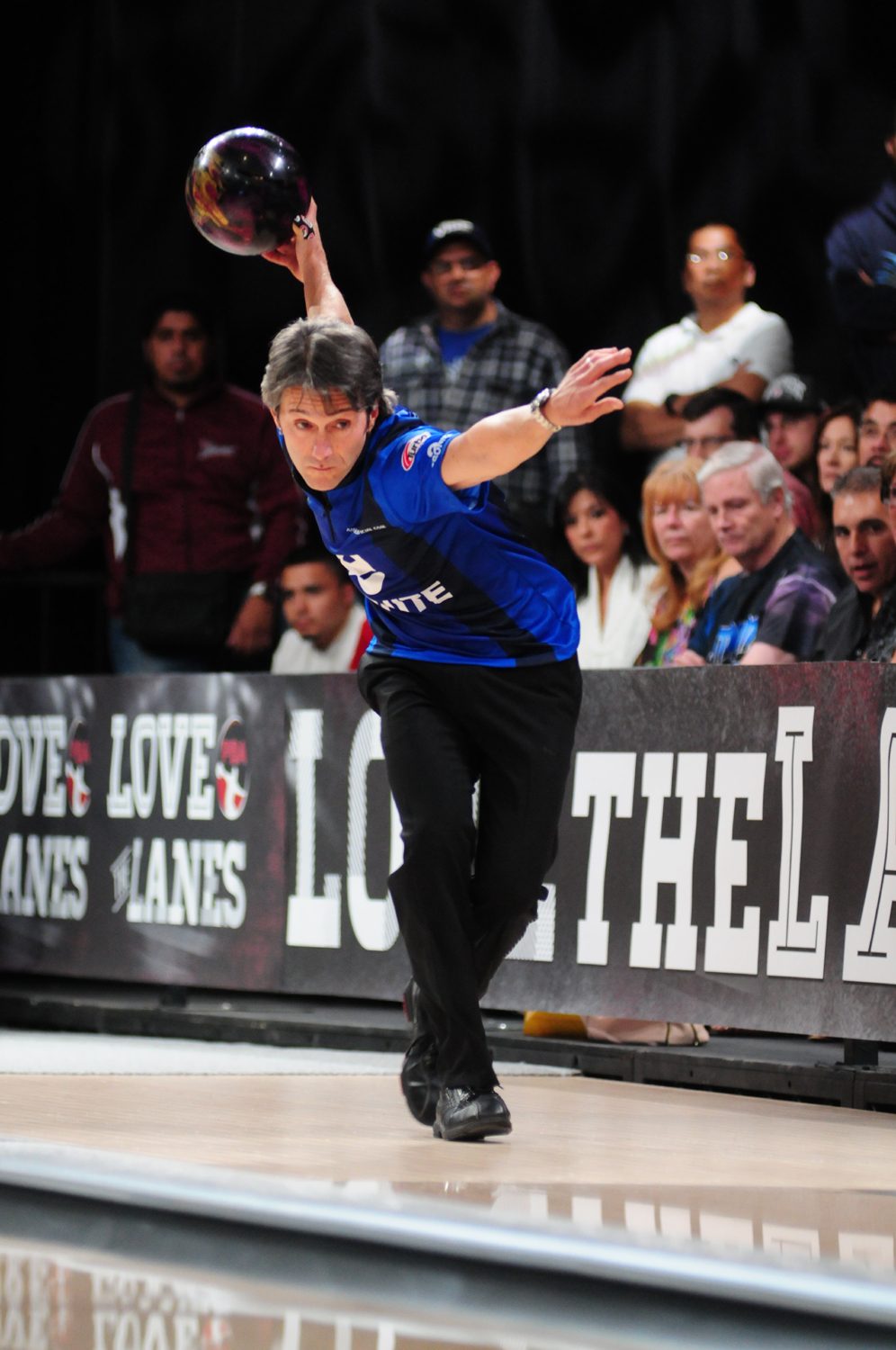
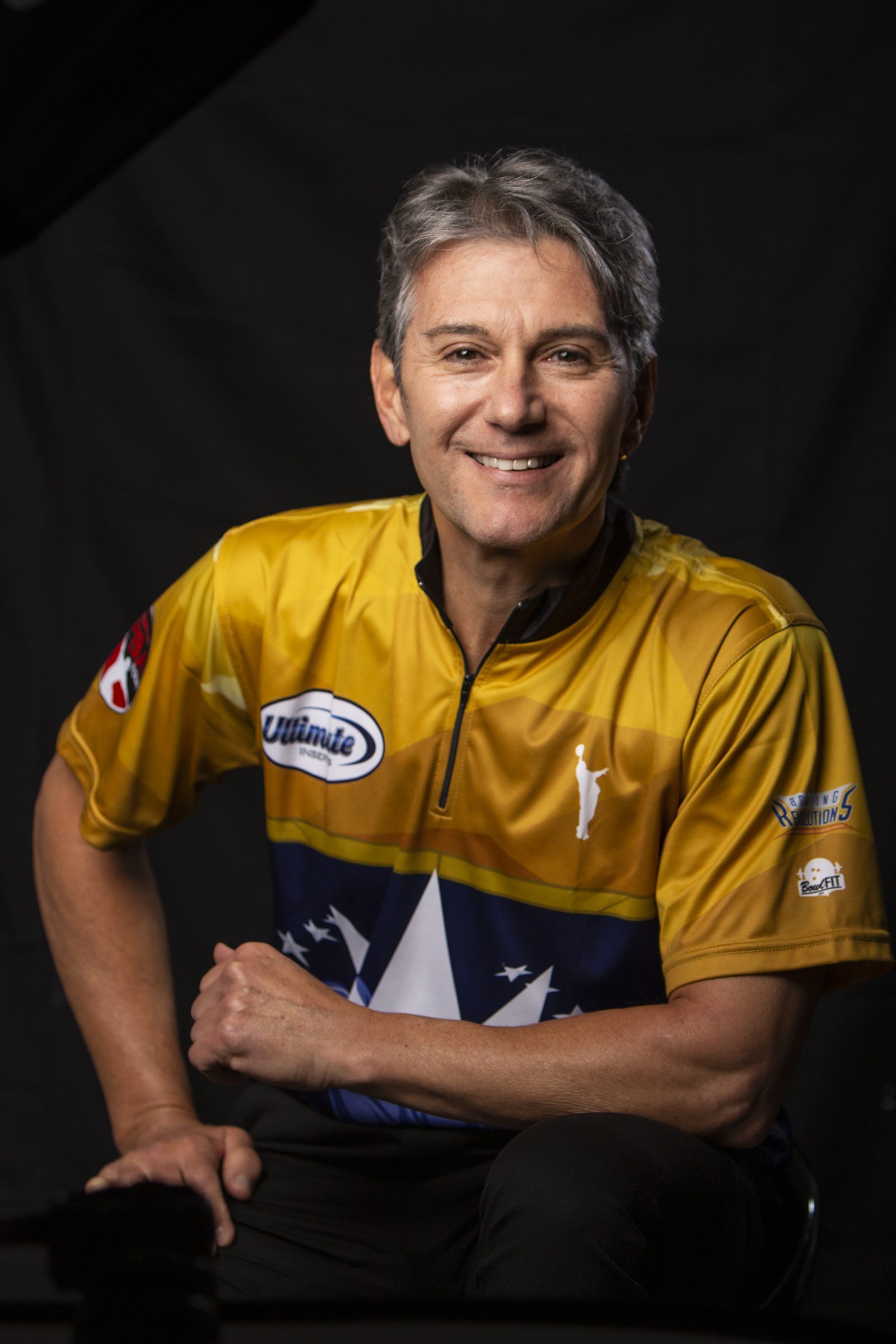
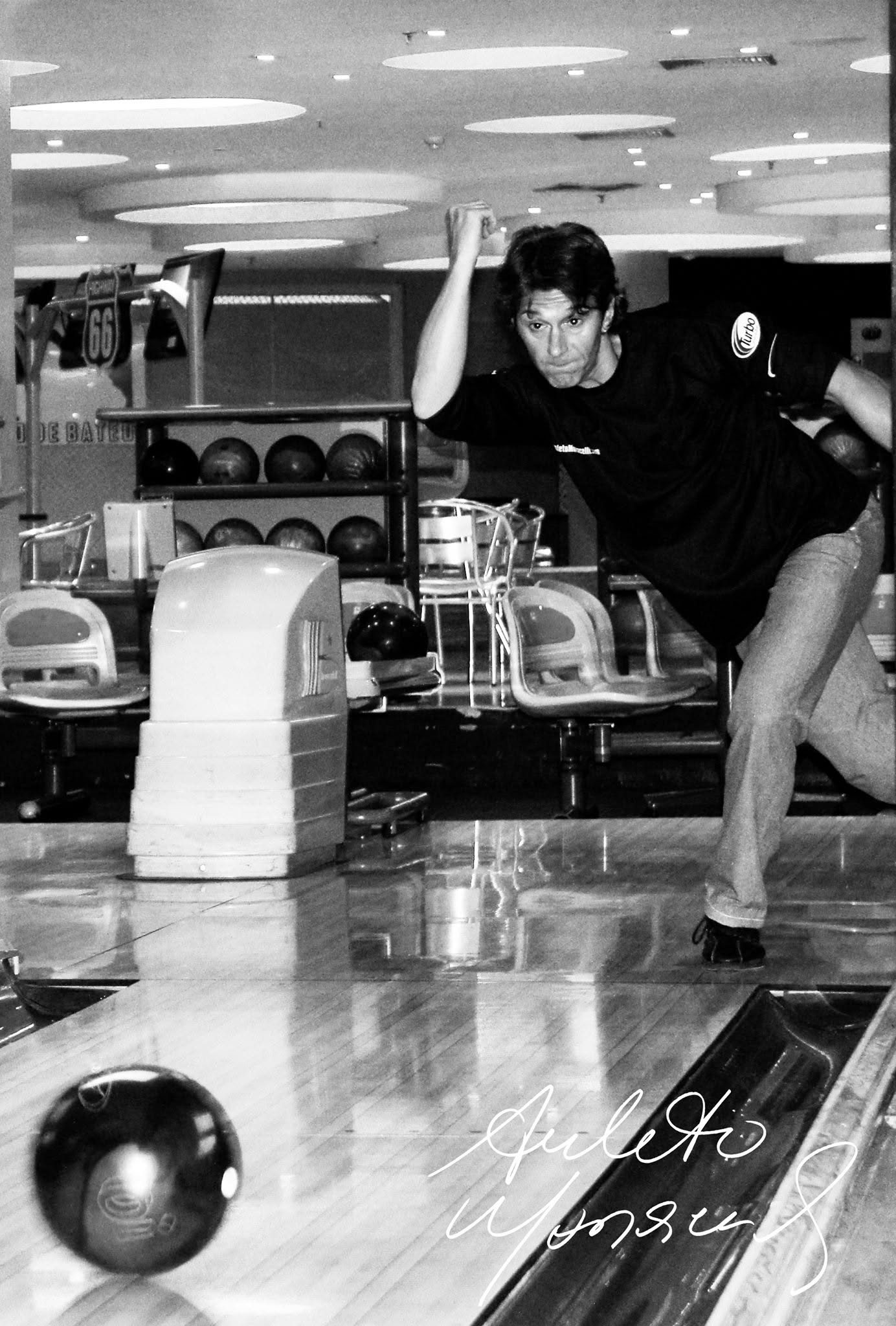
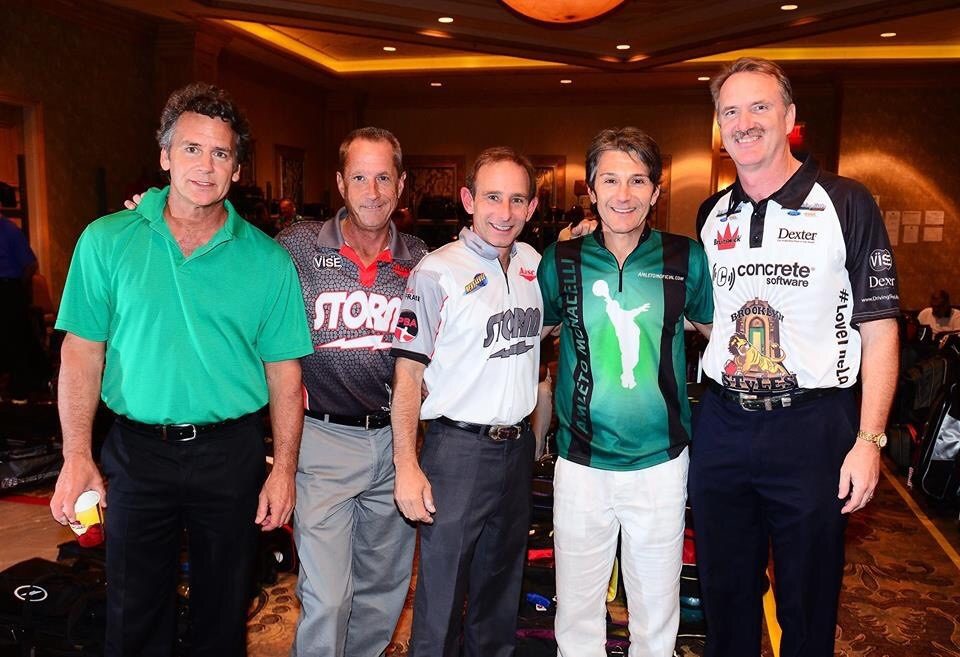
Every season brought a new colourway, a new sponsor lockup, a new way to carry the same identity onto the lanes. The symbol, the signature and the release silhouette stayed constant — everything around them evolved.
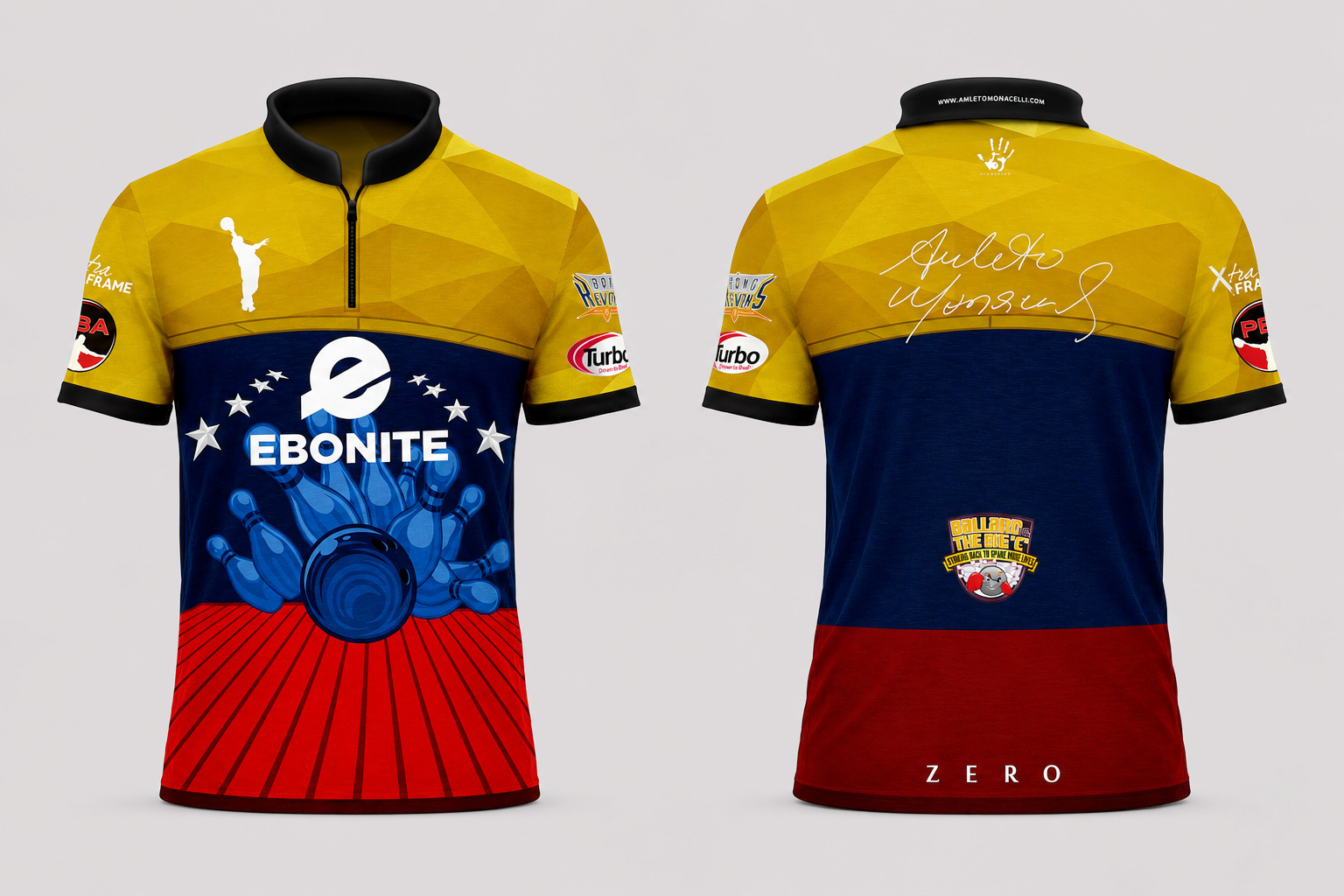
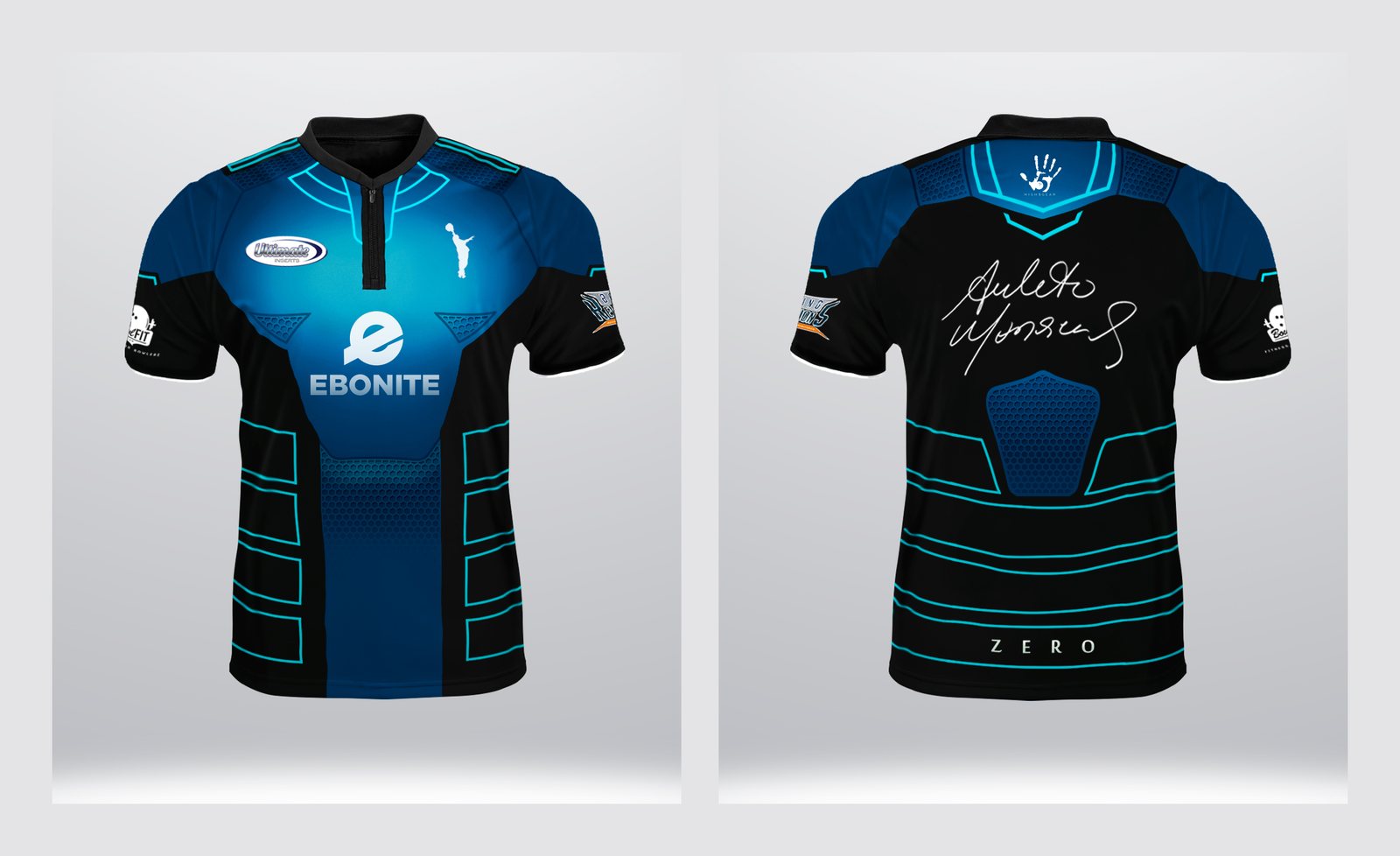
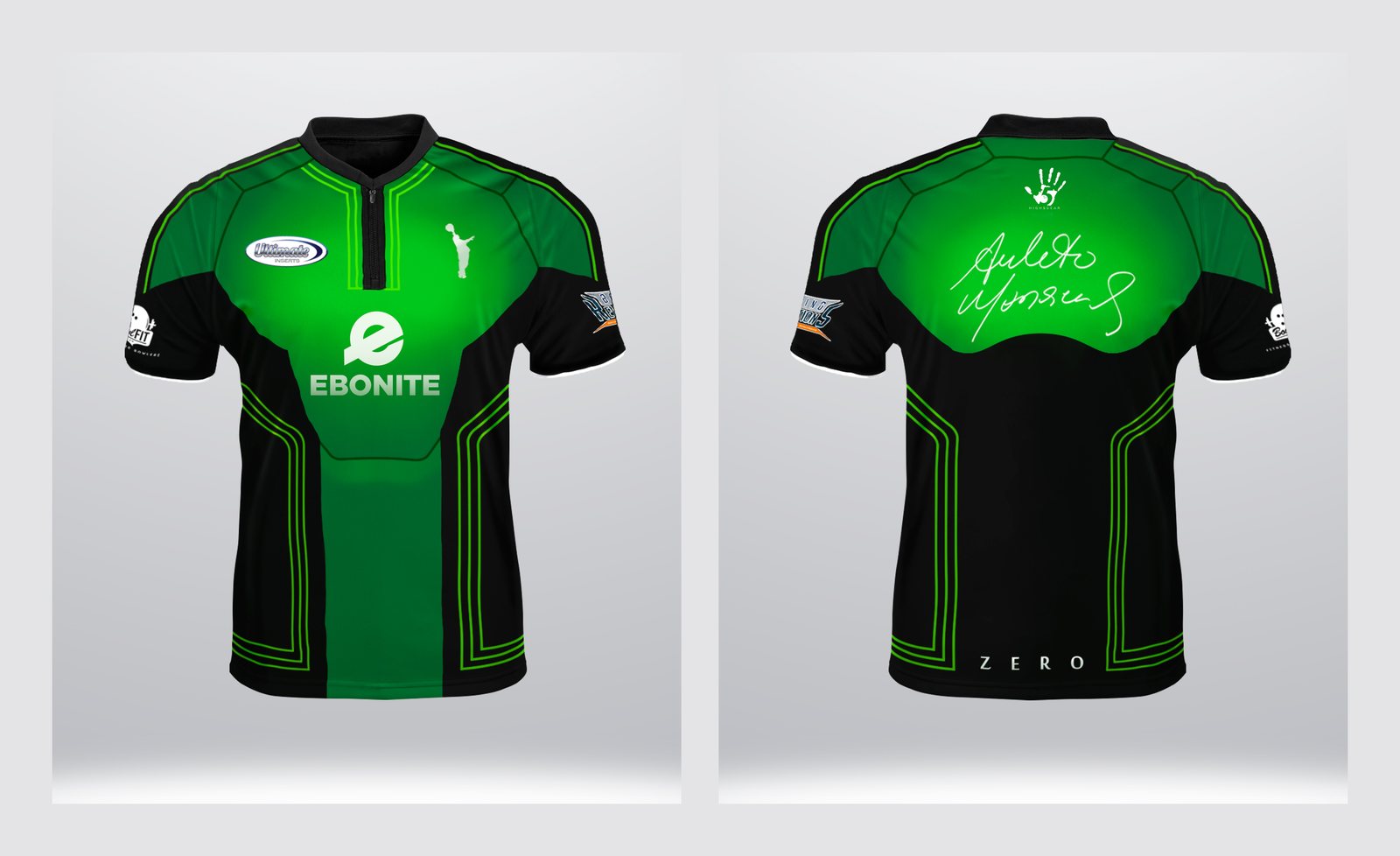
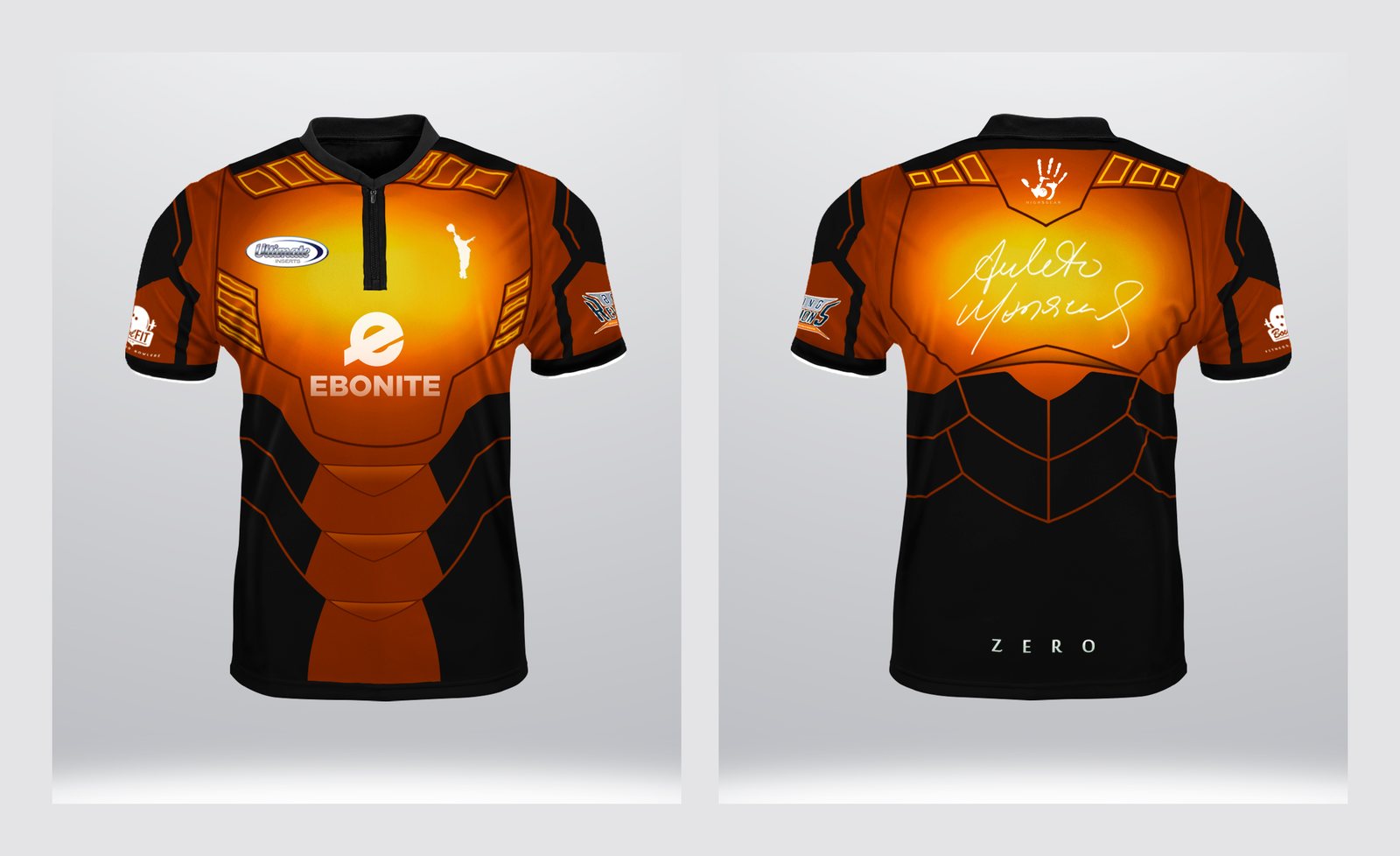
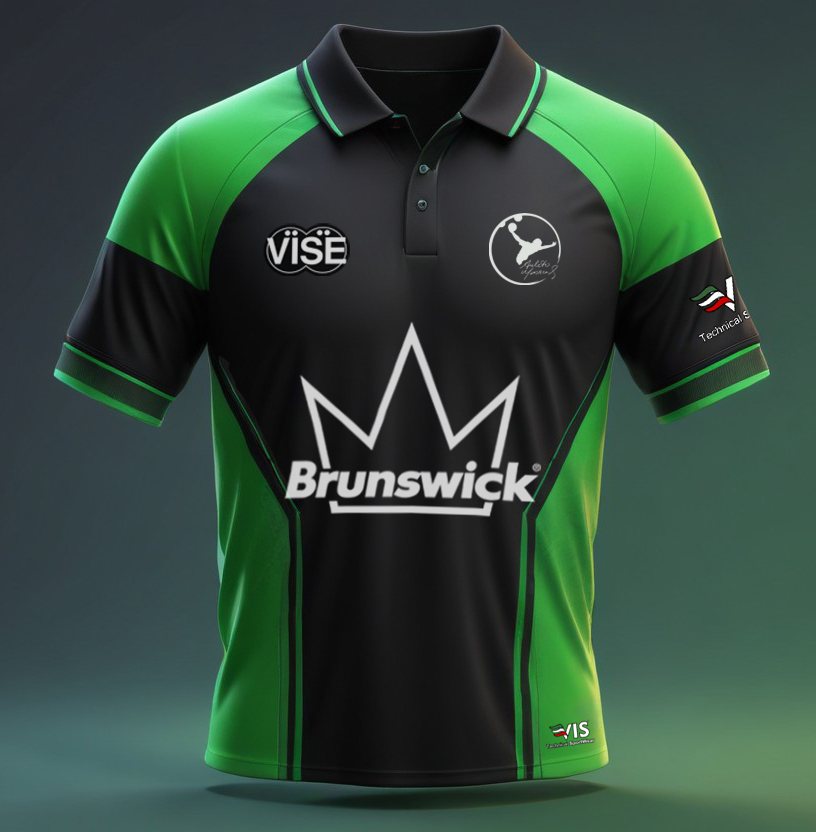
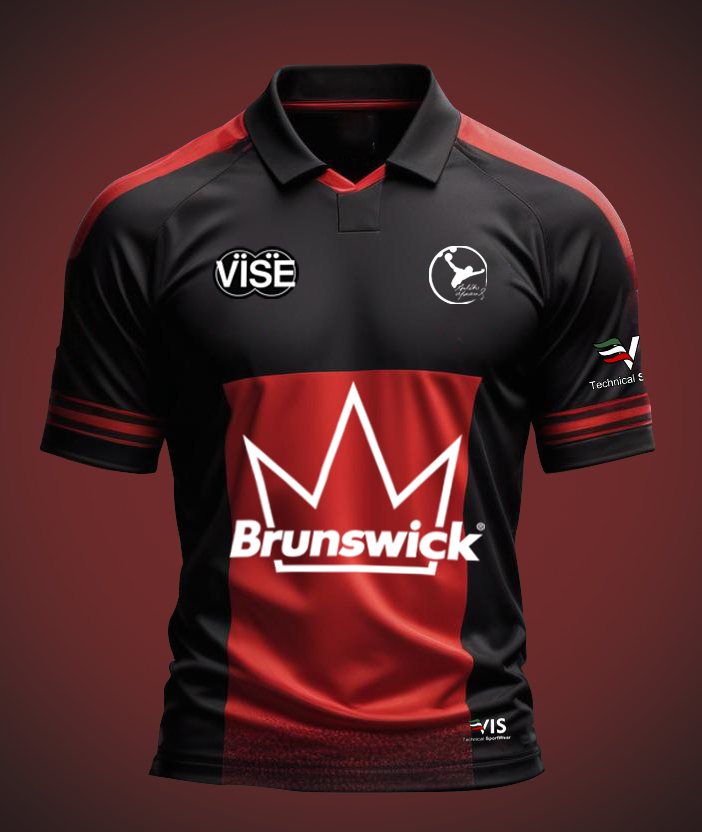
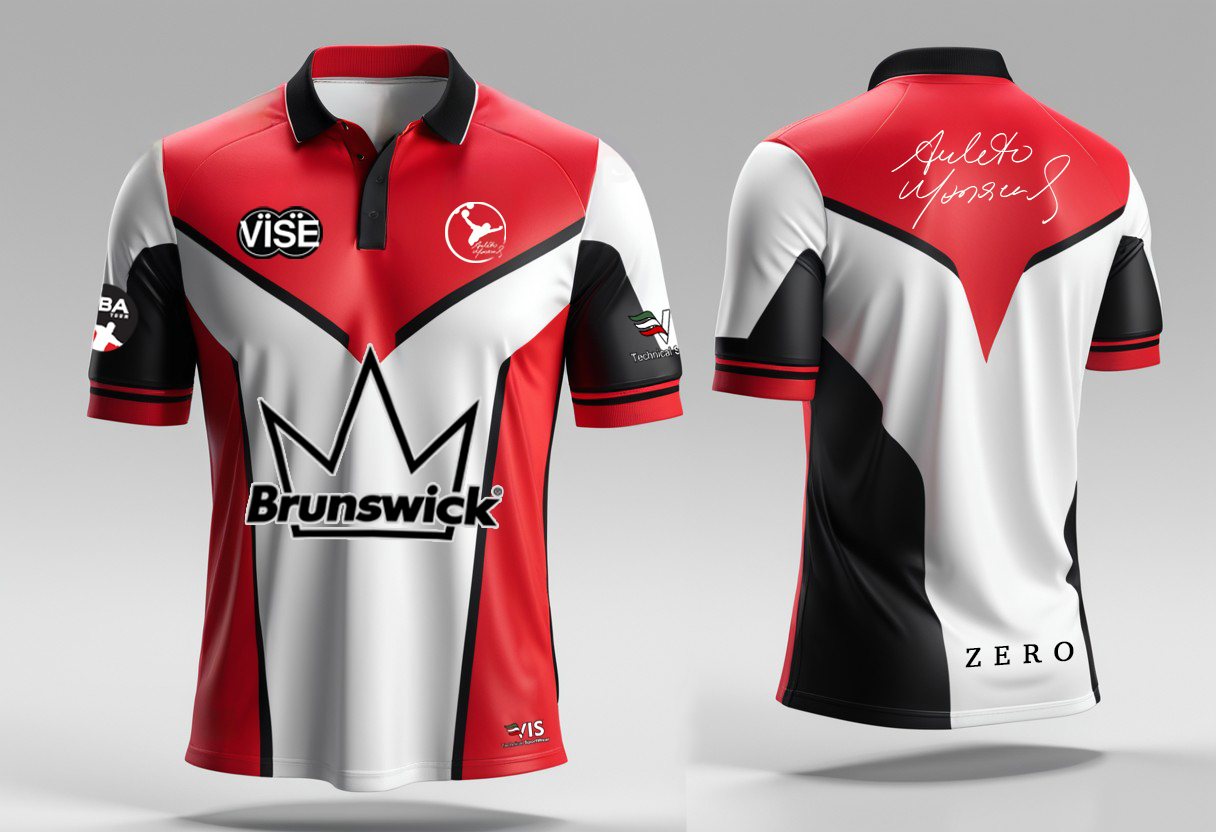
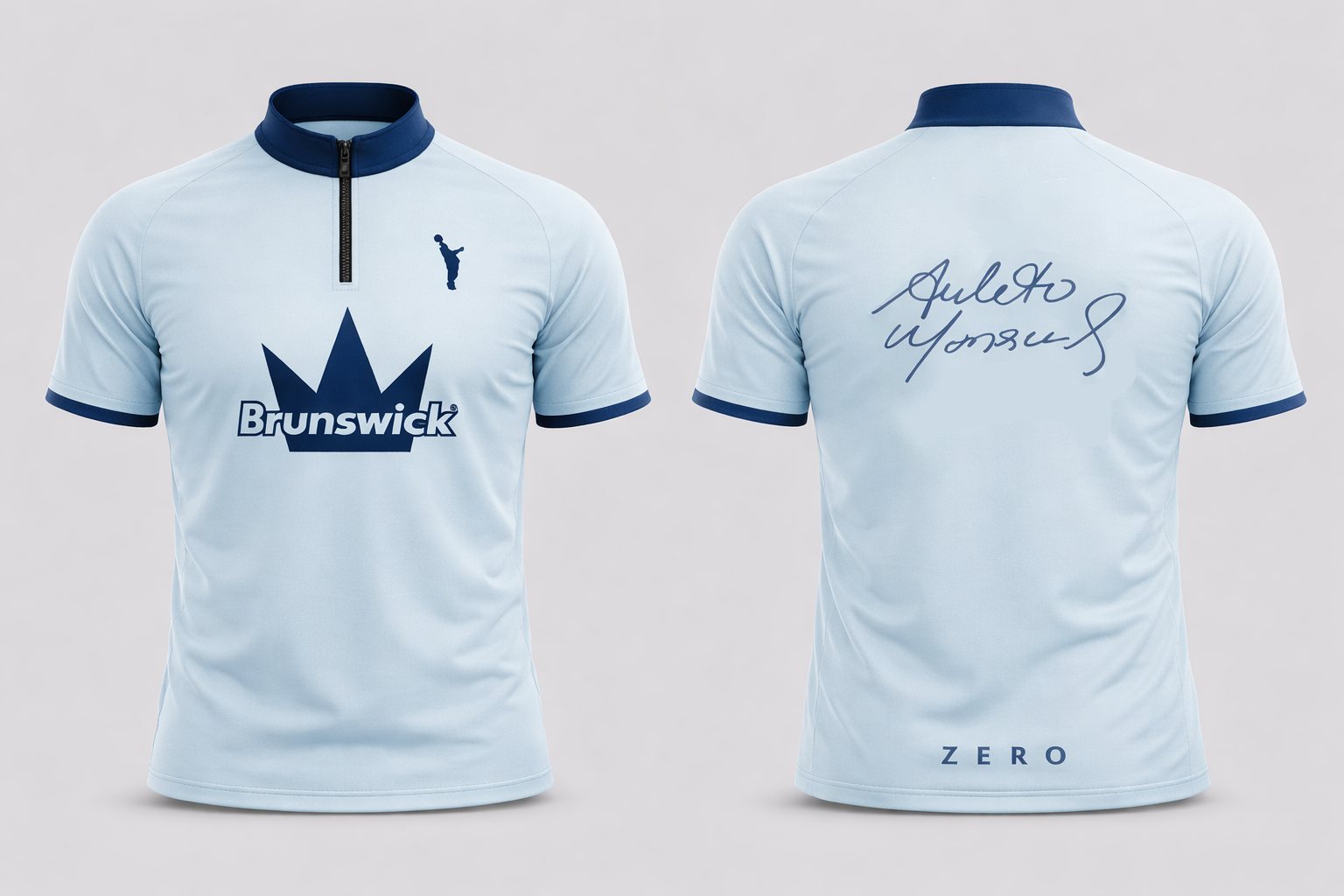
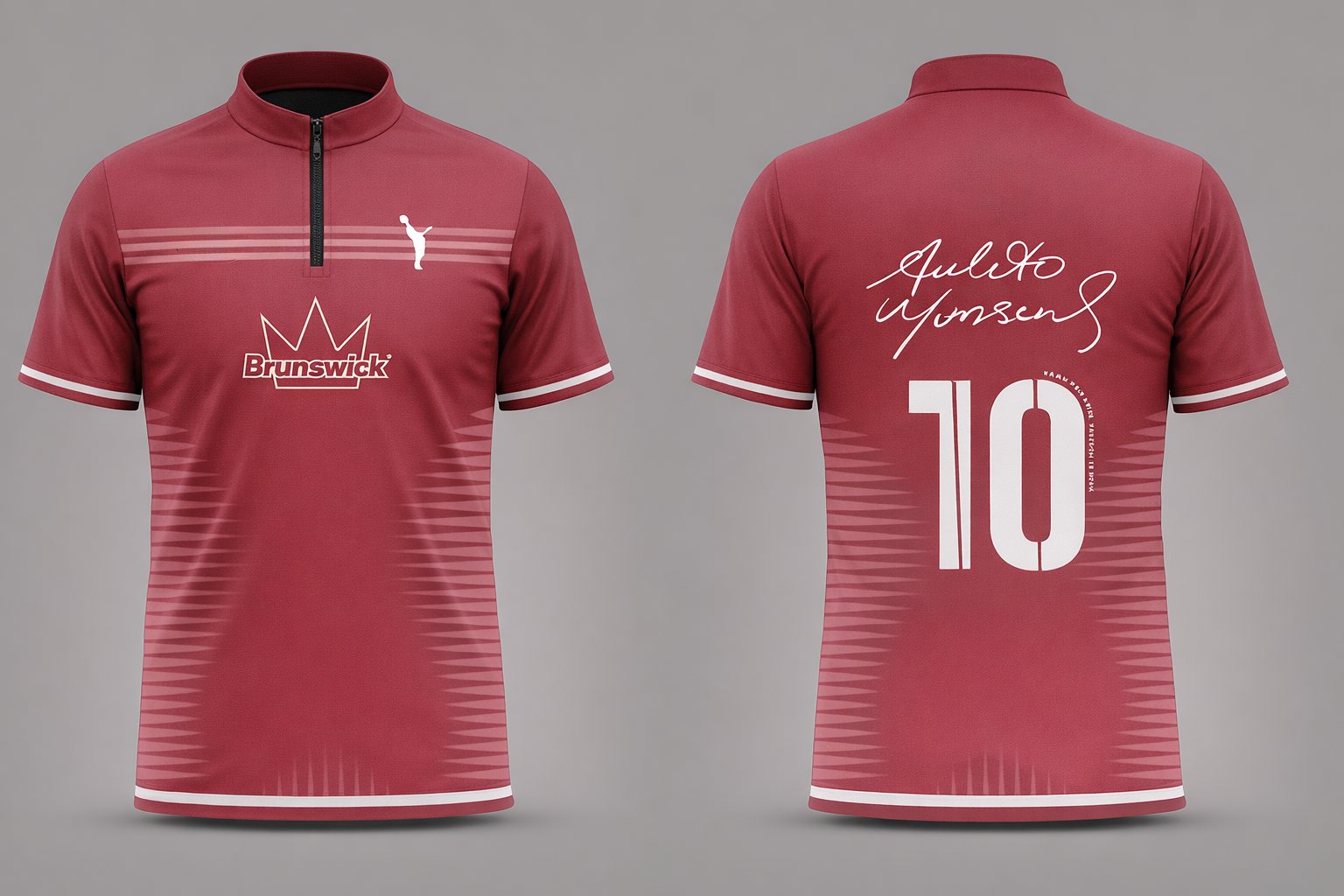
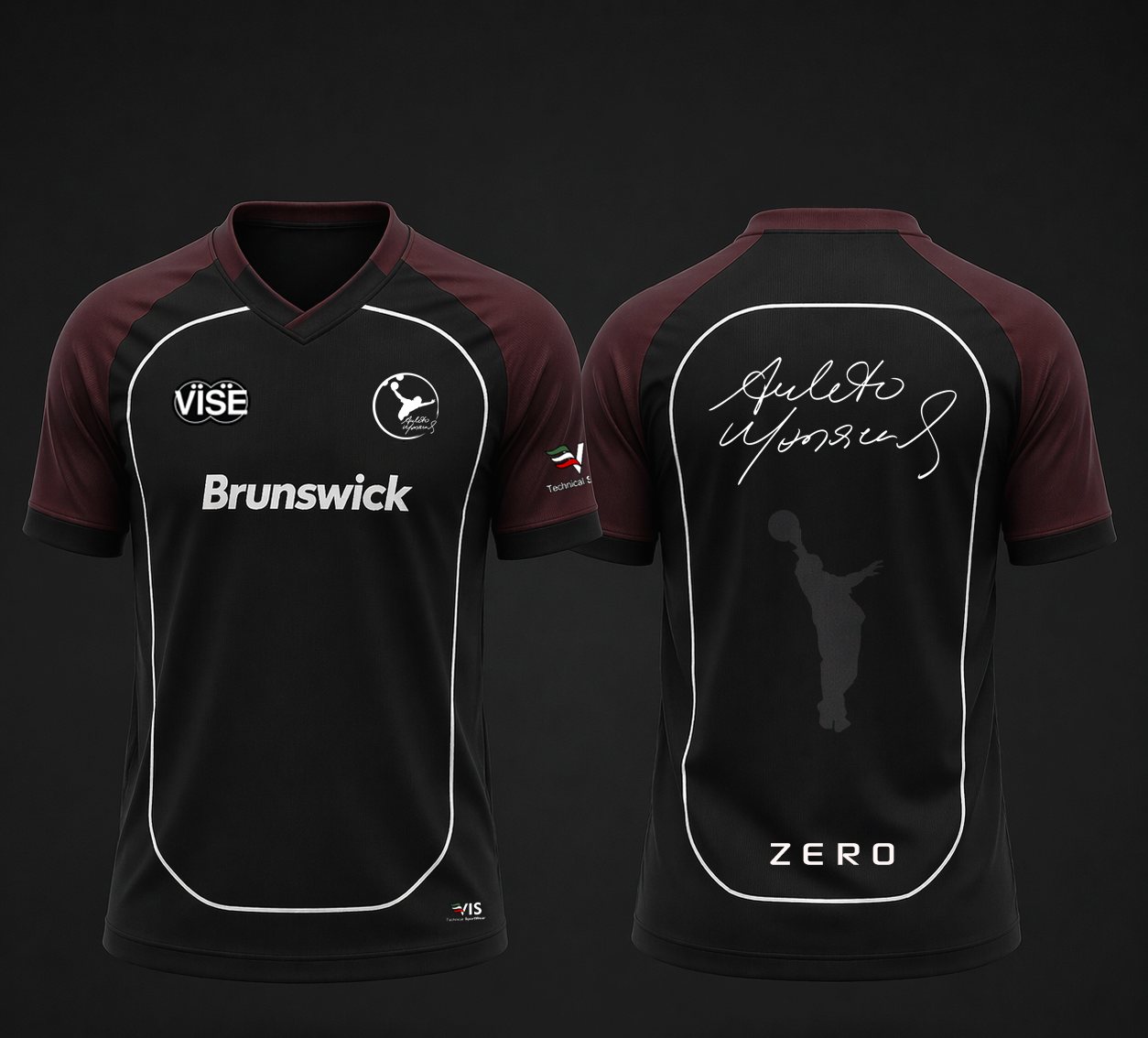
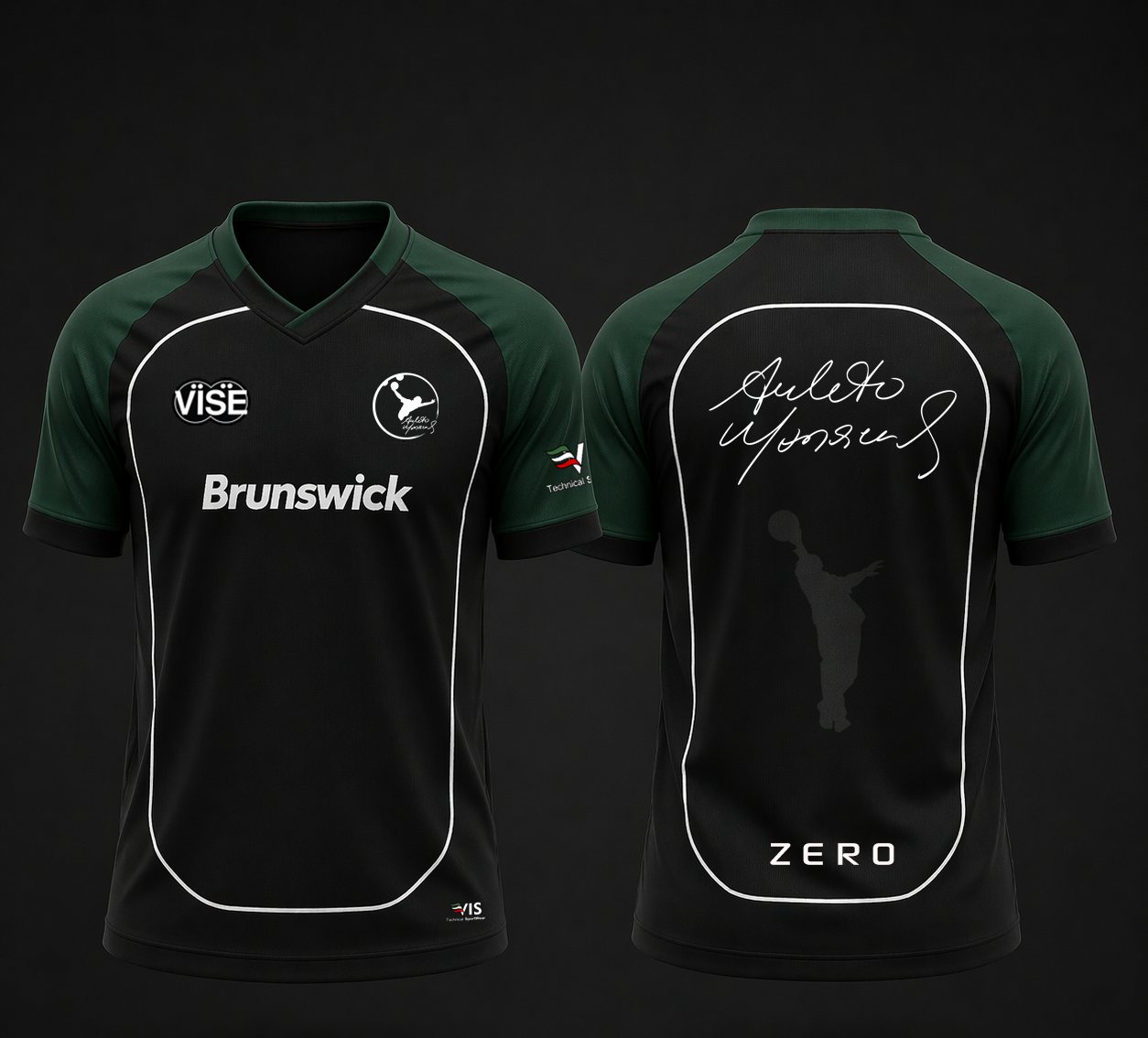
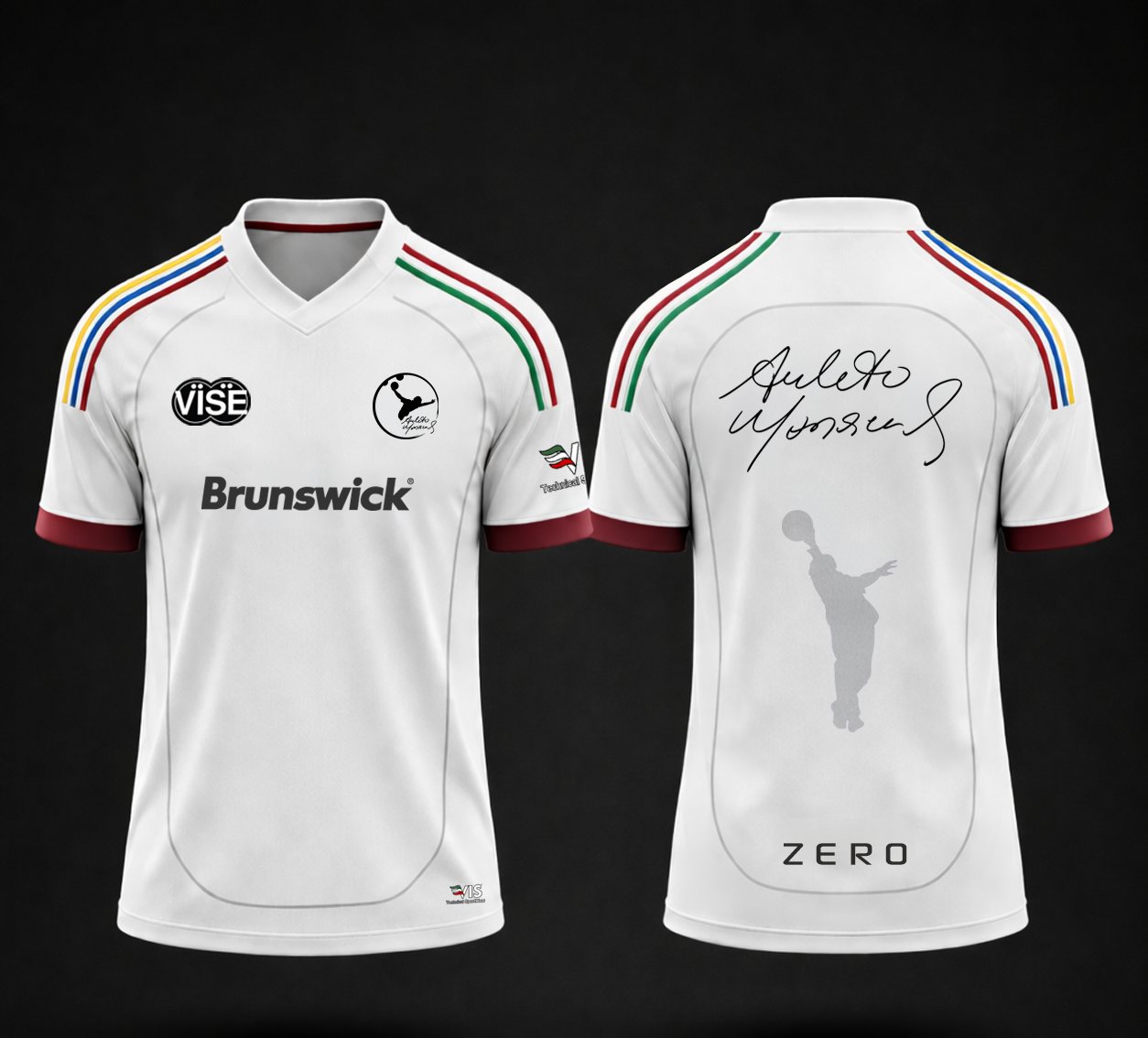
Some projects become milestones not because of the work itself, but because of what they represent.
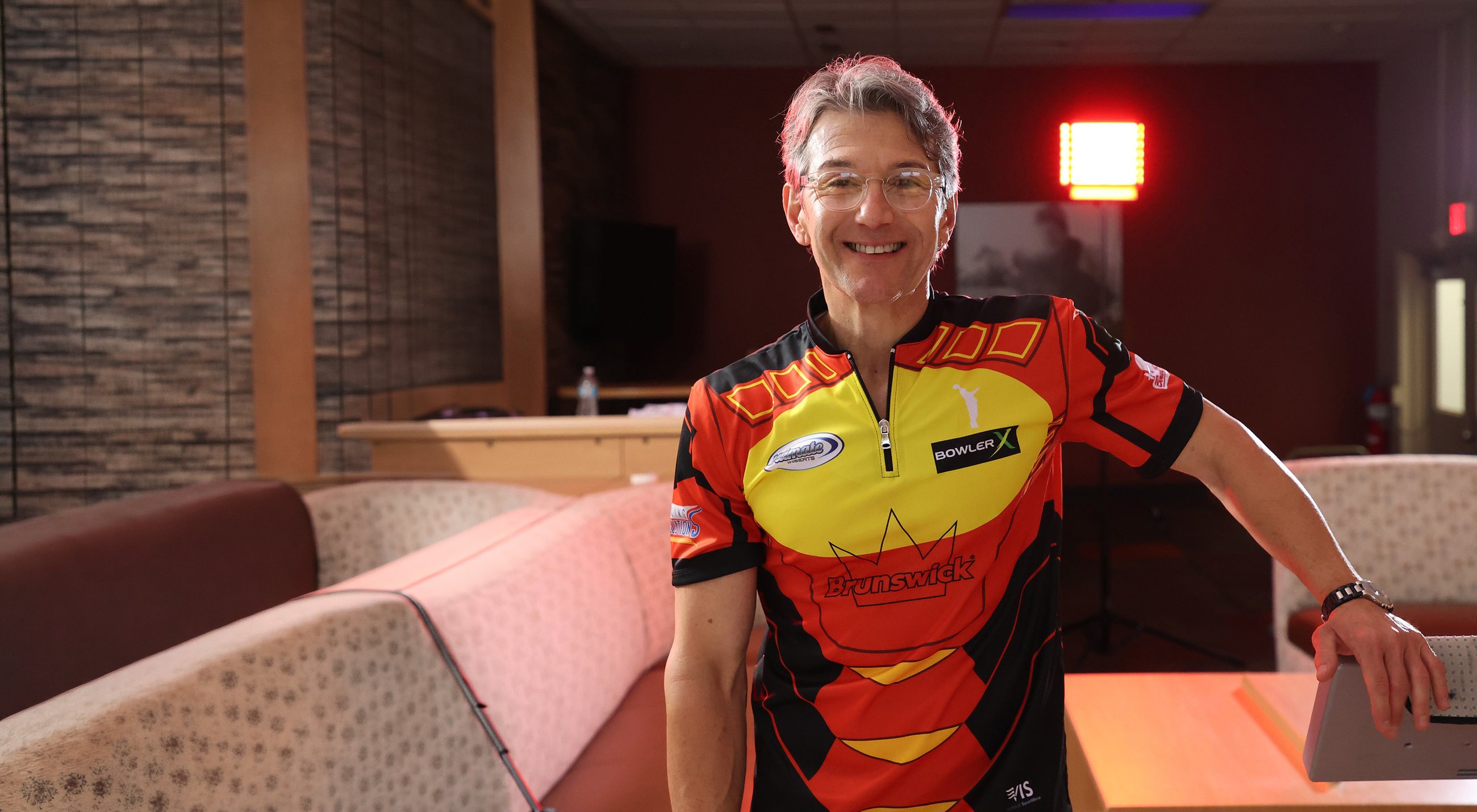
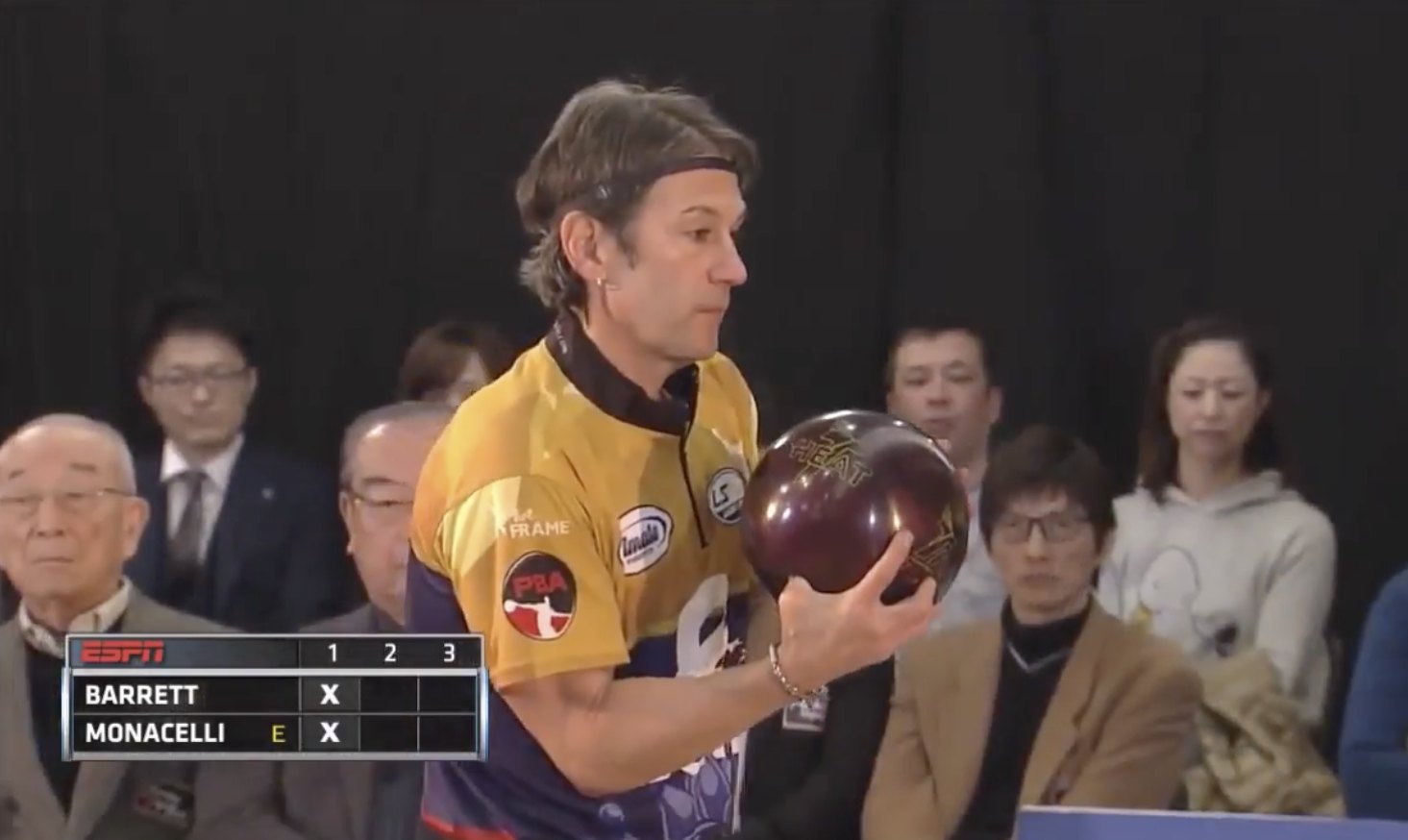
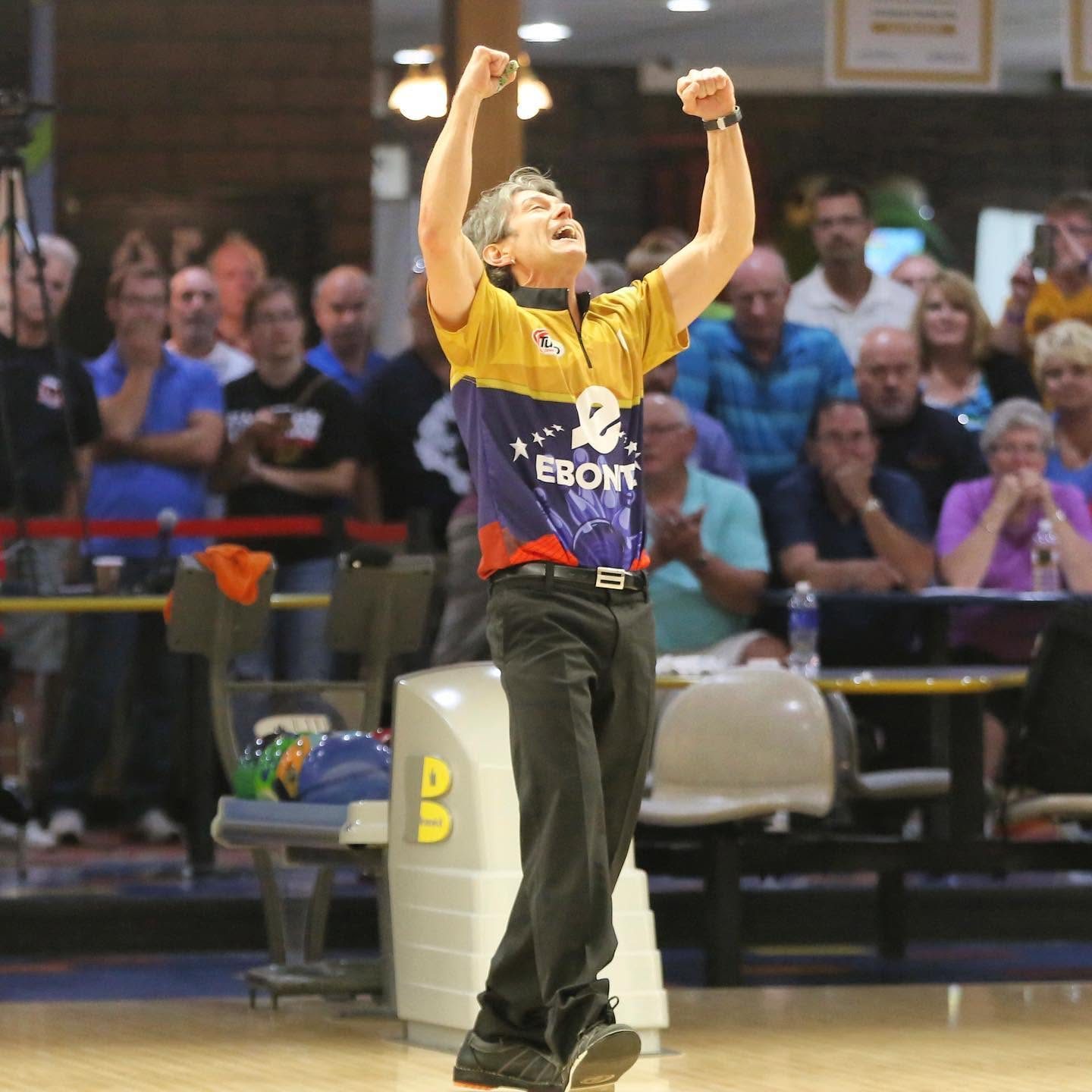
One of those moments came during the DHC PBA Japan Cup. Seeing Amleto win the title wearing a jersey I had designed — featuring the colours of the Venezuelan flag — was unforgettable.
I had already experienced his victories before. But watching him lift the trophy on ESPN, wearing something we had created together, felt different. For the first time, I truly understood the reach that thoughtful design could have.
Another defining chapter began with a simple idea.
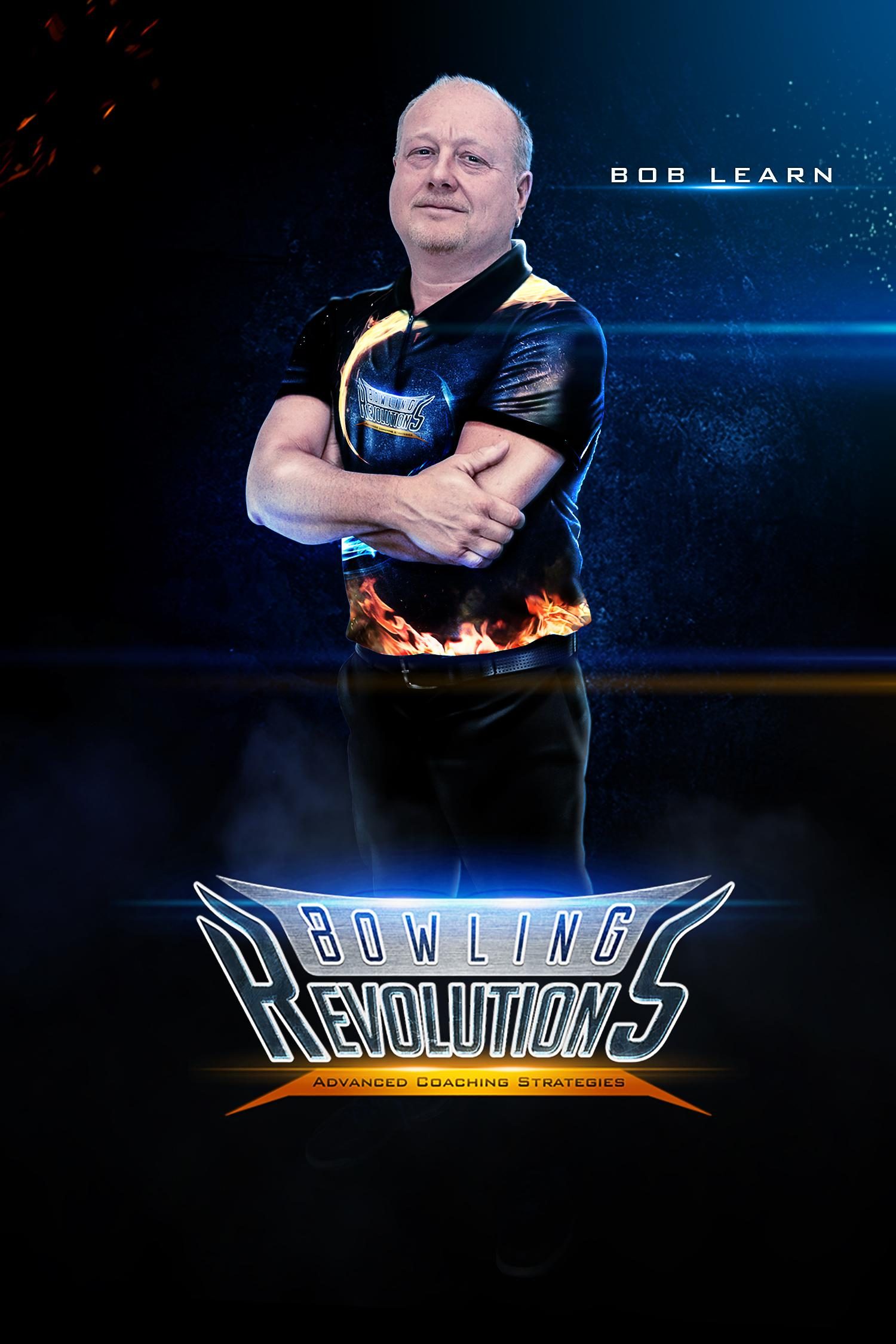
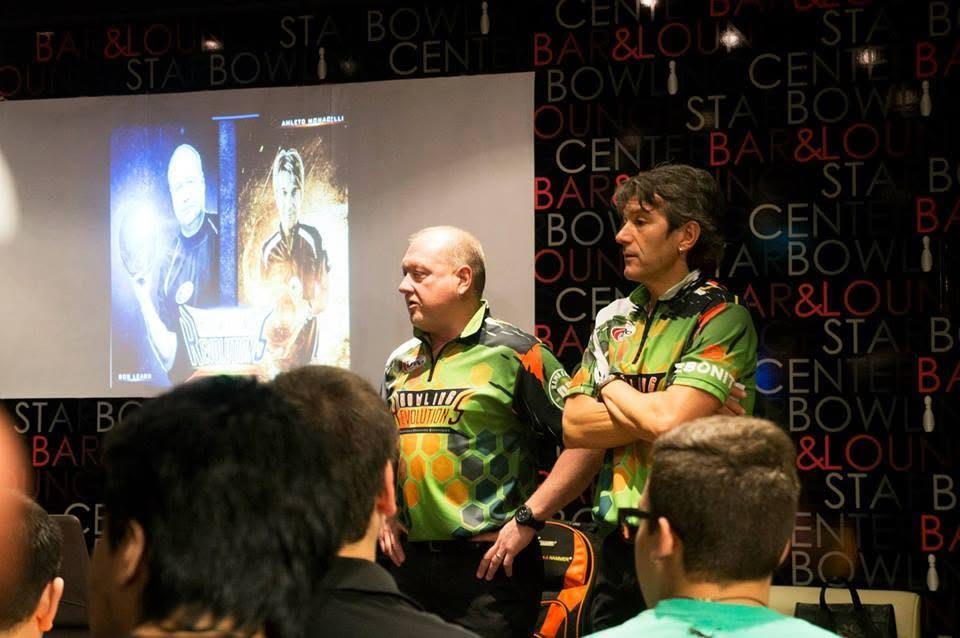
Amleto and Bob Learn Jr. wanted to create something that barely existed at the time: international coaching clinics led by two of the sport’s most respected figures. Once again, I helped build everything from the ground up — identity, website, social, decks, videos, apparel, marketing and the booking experience.
The project grew to the point where they were invited to conduct clinics at United States Air Force bases. Creating a dedicated visual identity for those events remains one of the most meaningful projects I’ve ever been involved in.
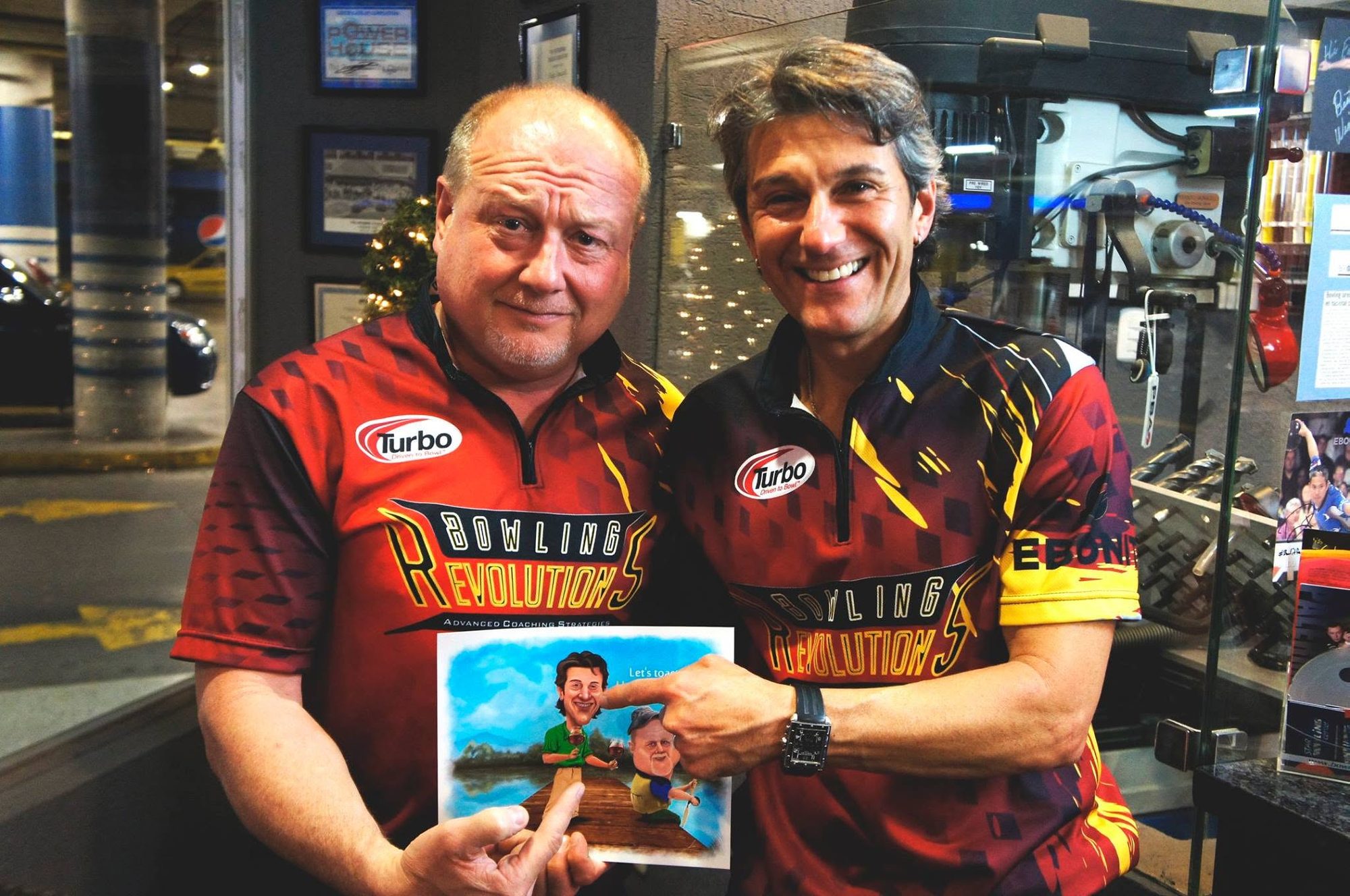

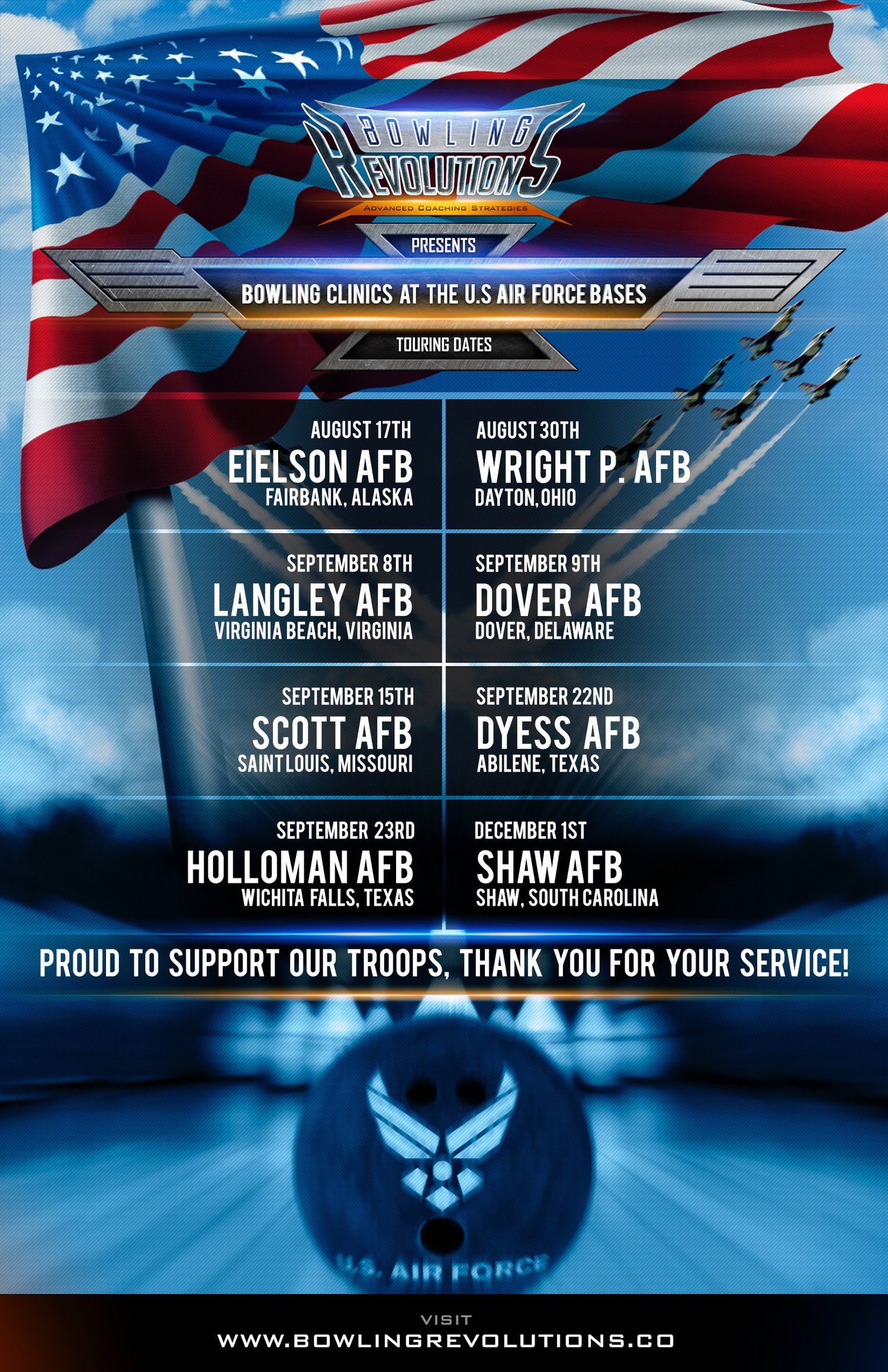
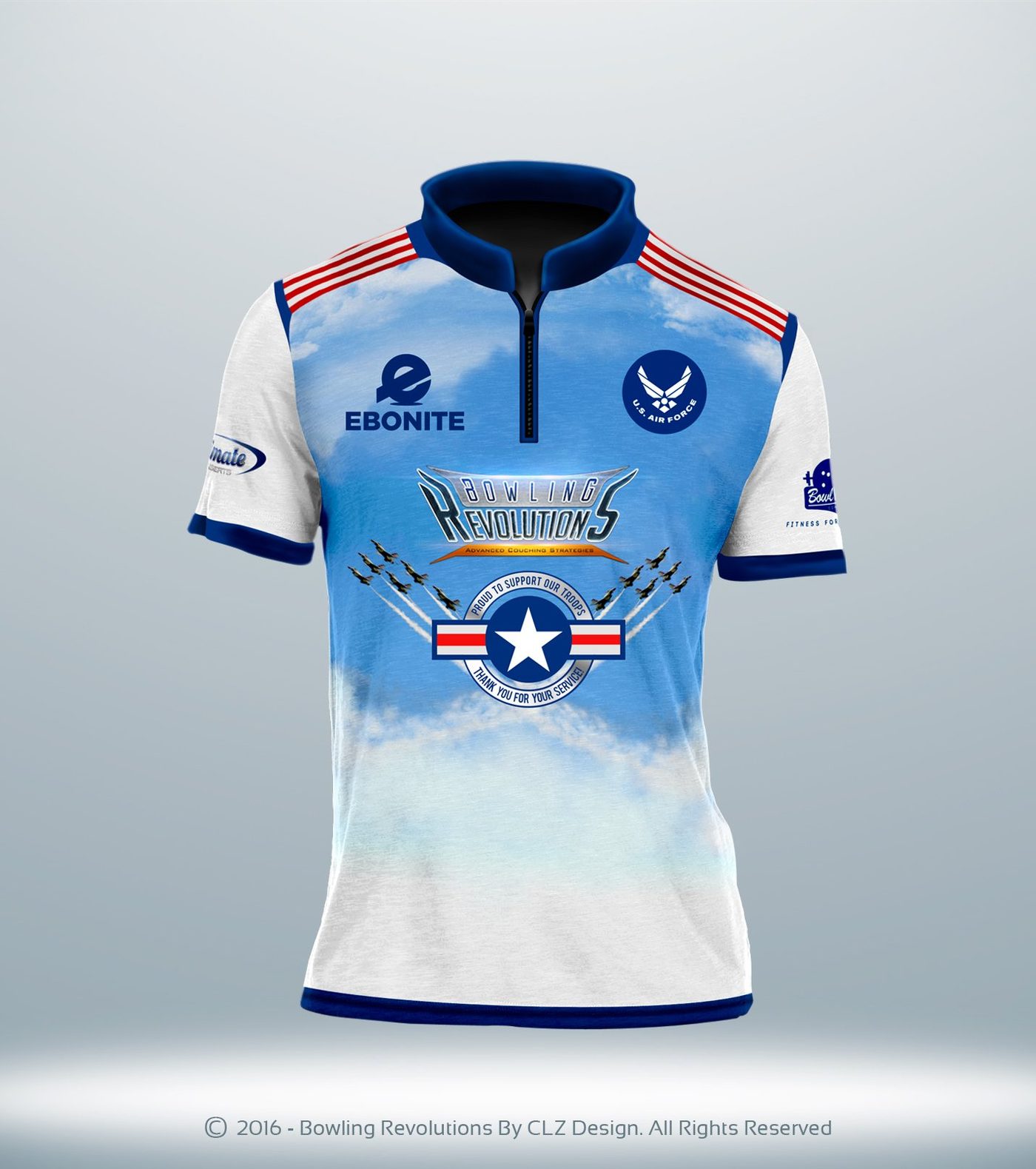
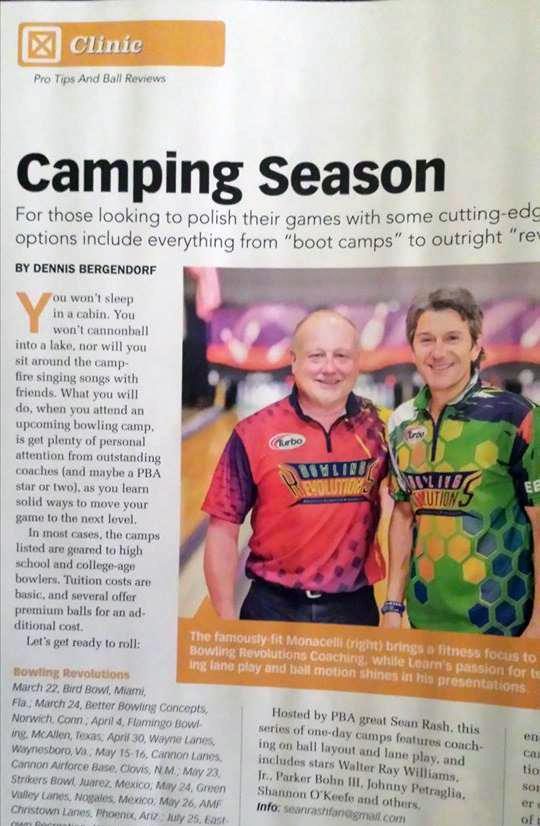
Knowing that our work helped bring the sport to military communities added a completely different level of purpose.
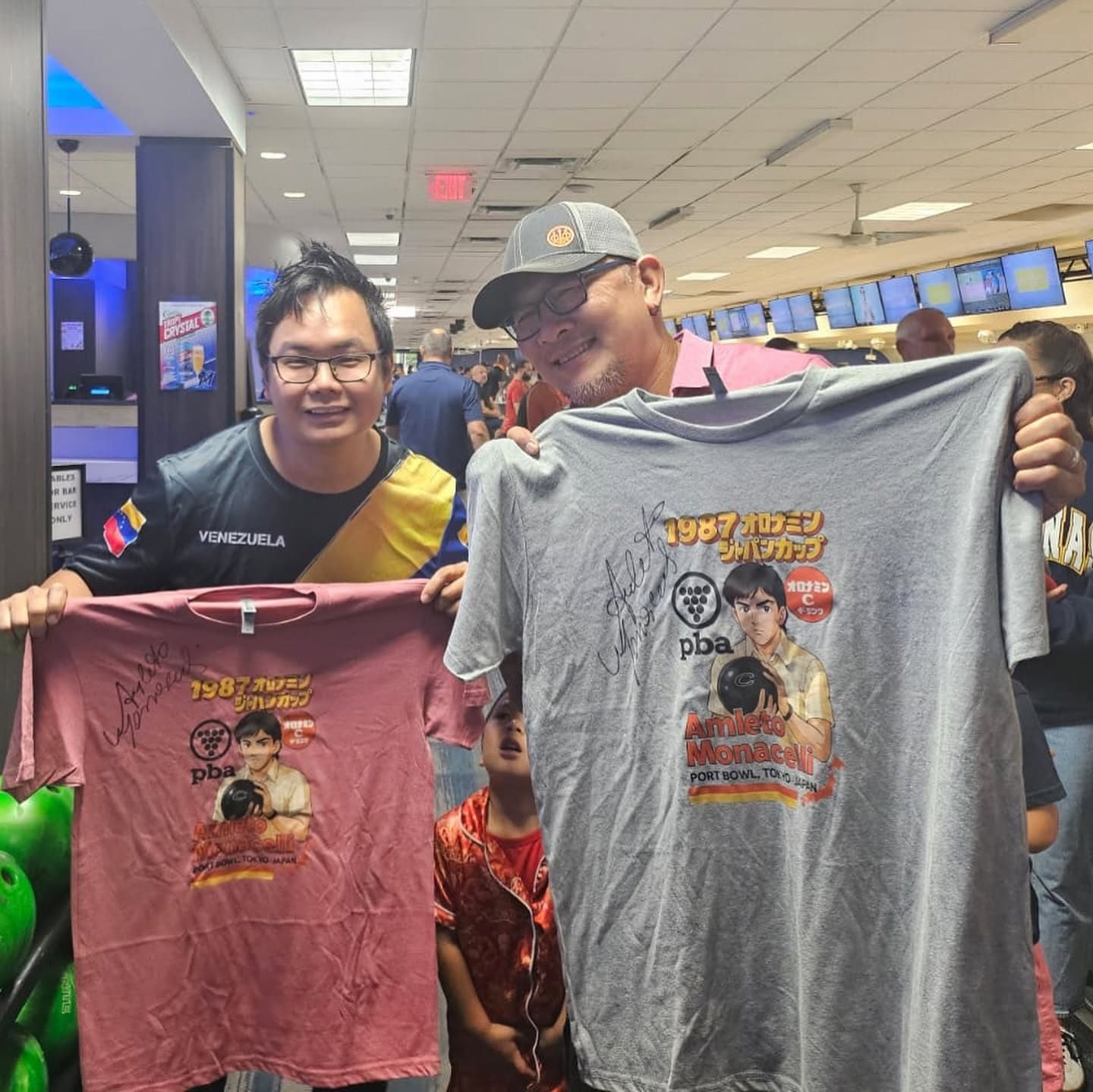
Perhaps the most rewarding milestone wasn’t seeing Amleto wear the jerseys. It was seeing everyone else wear them.
As new collections launched season after season, fans began purchasing his apparel because they genuinely loved the designs. For the first time, I wasn’t just designing for an athlete. I was designing for a community.
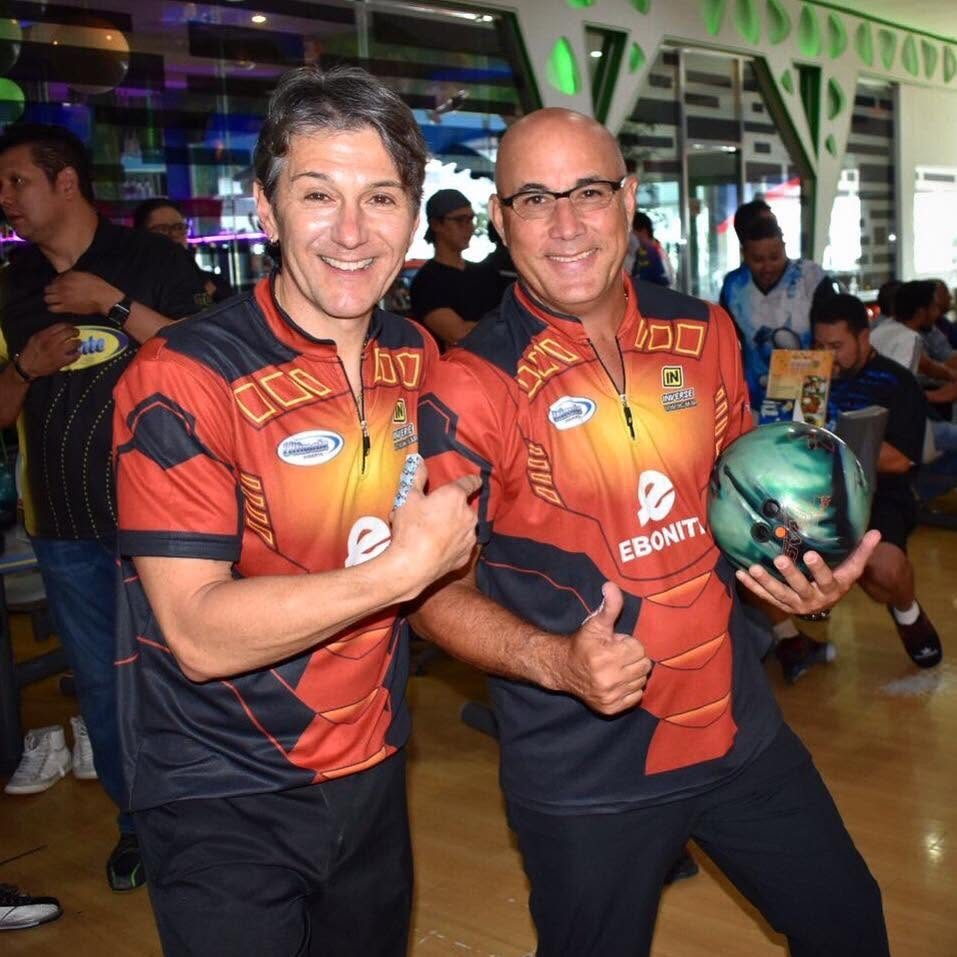
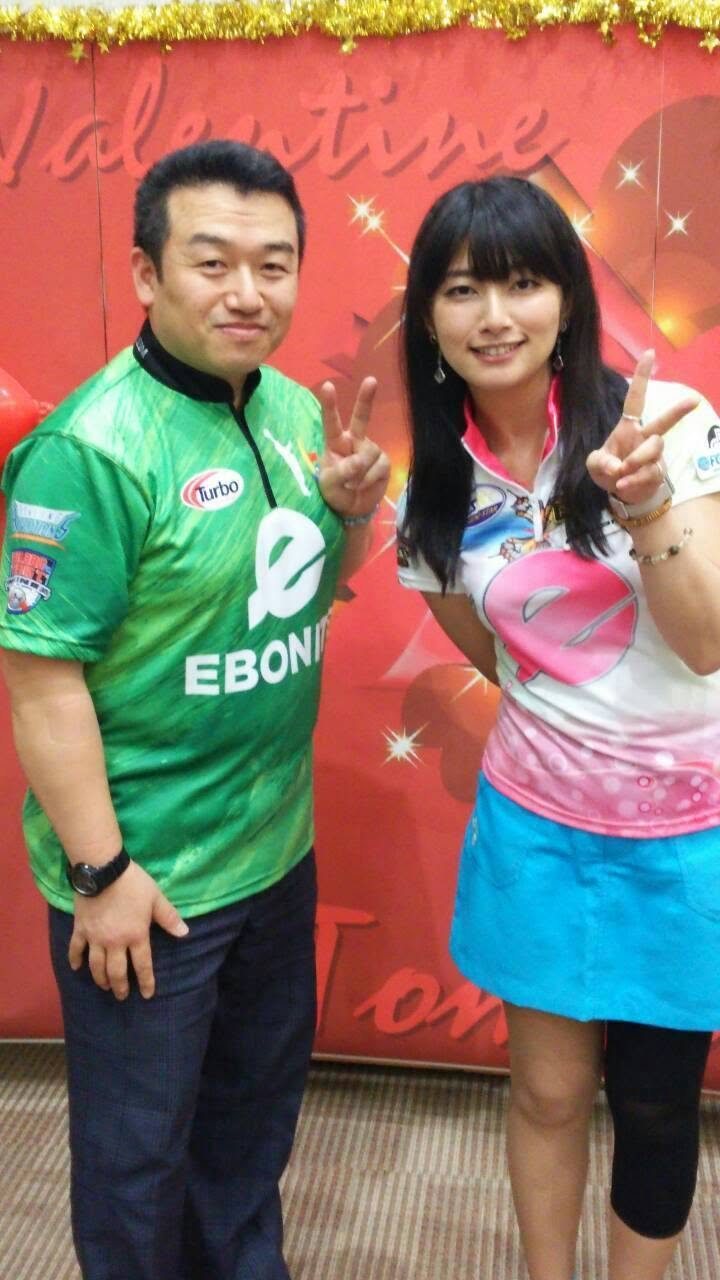
When we started working together, Amleto was already one of the greatest bowlers in the world. What he didn’t yet have was a digital identity that reflected that legacy. Over the years, together, we transformed that presence into something much larger.
Today, even as his competitive schedule has naturally evolved, his influence remains stronger than ever.
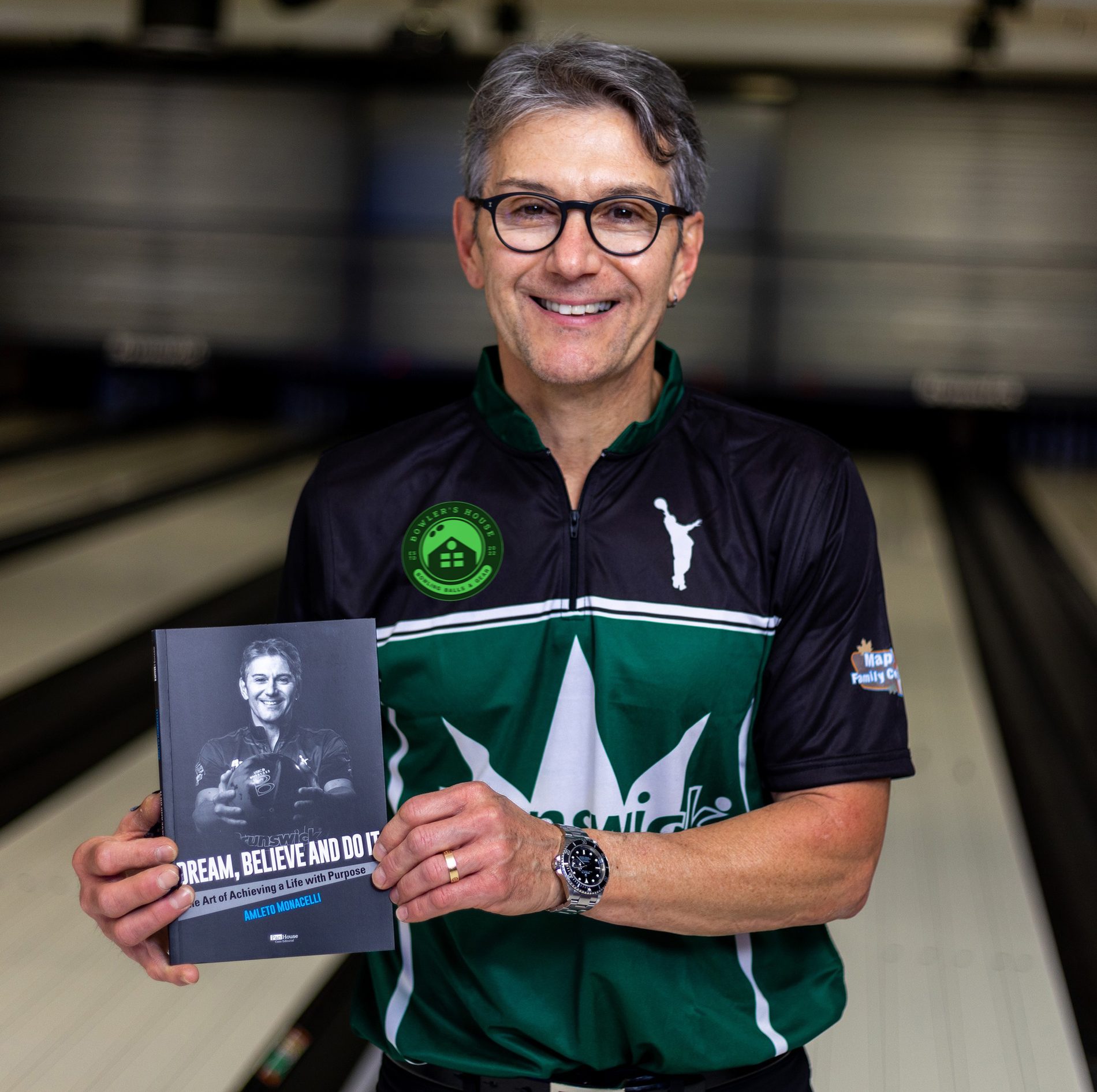
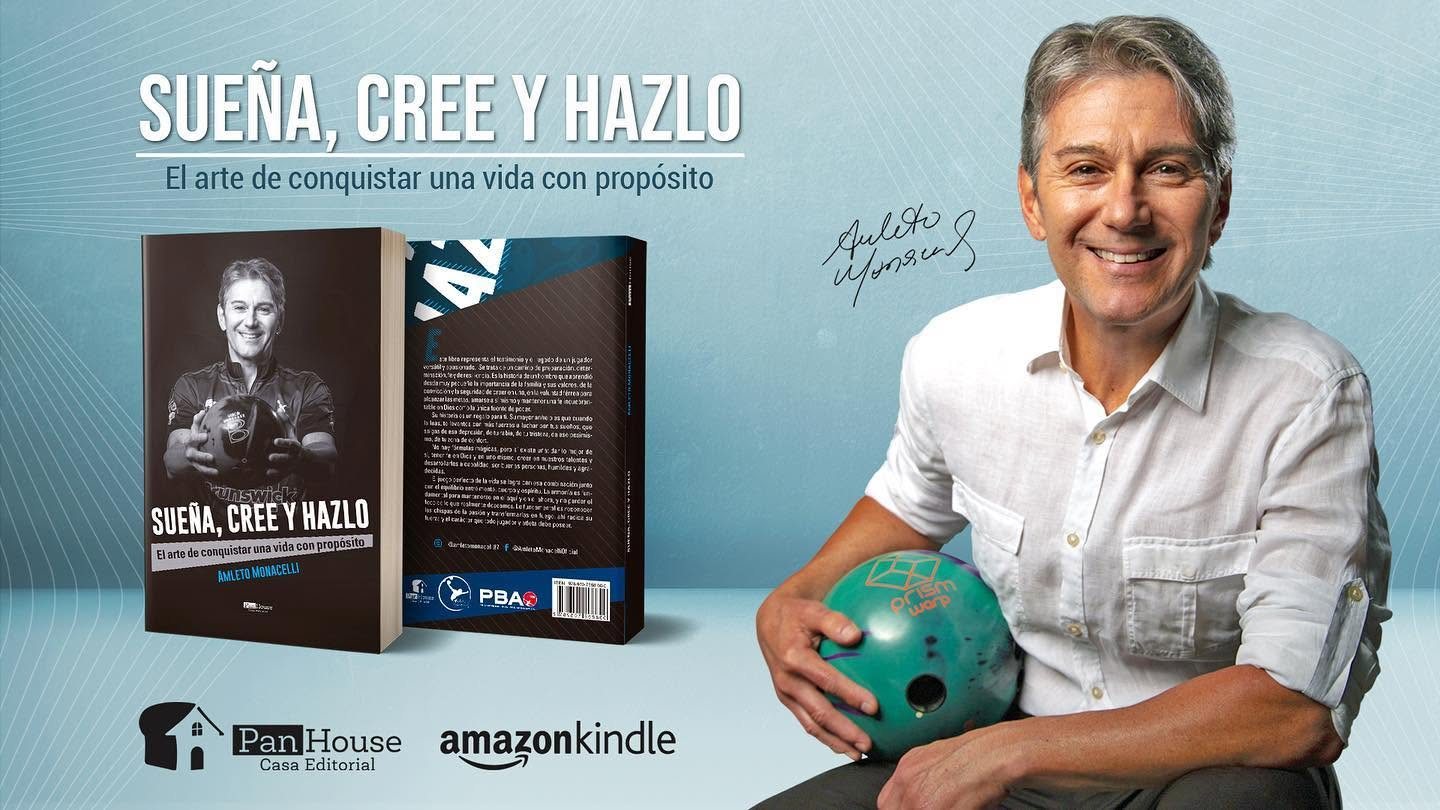
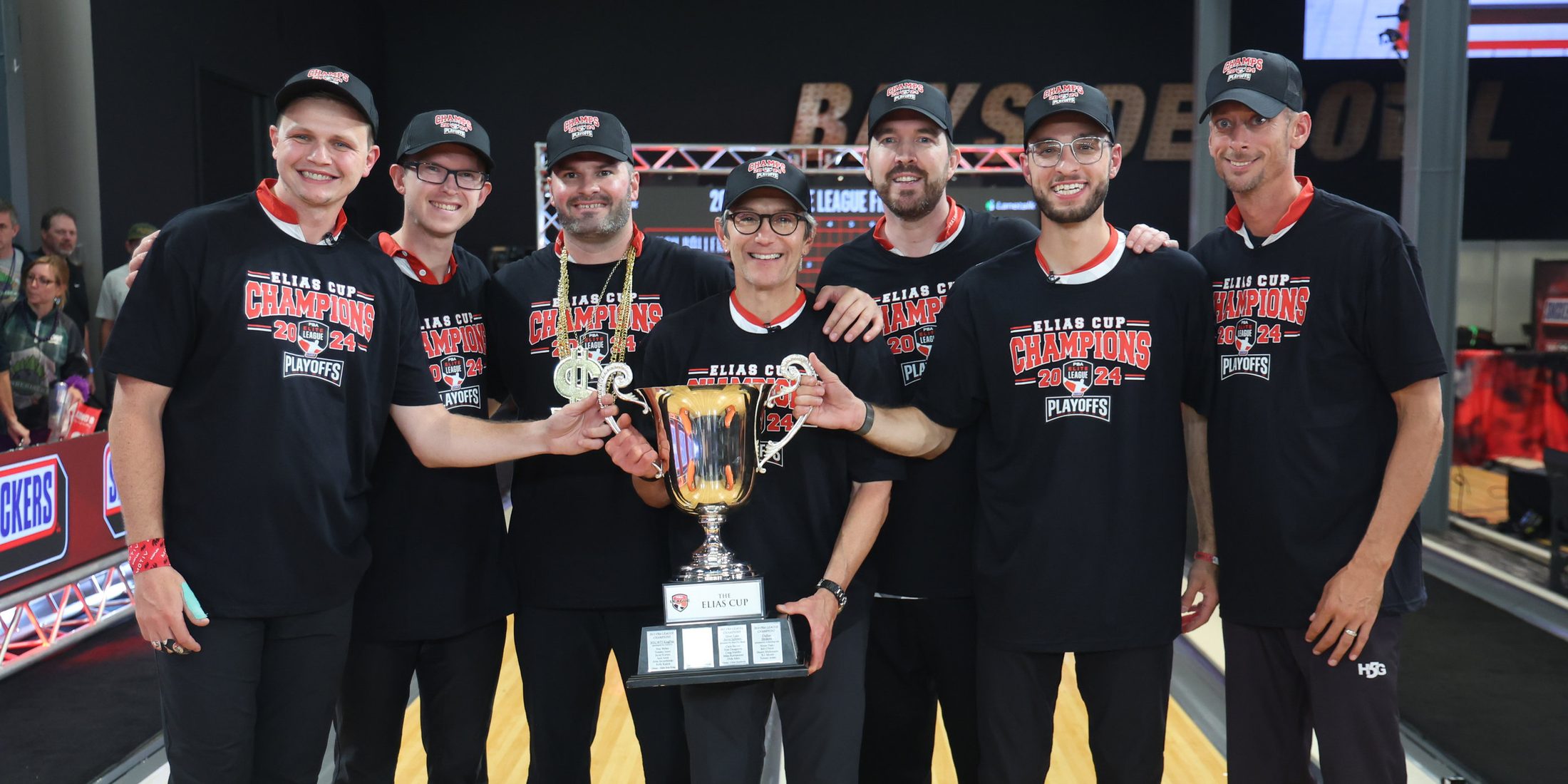
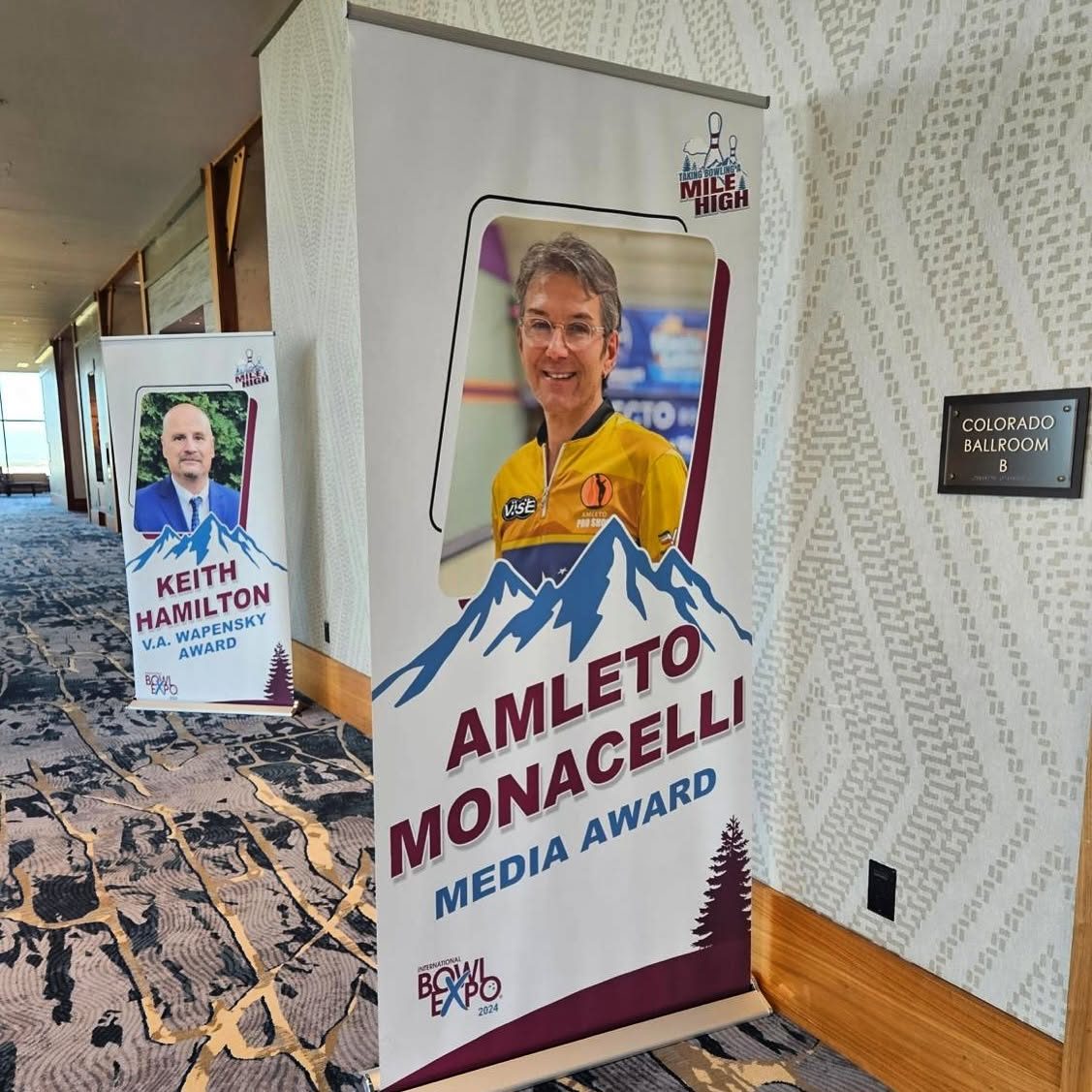
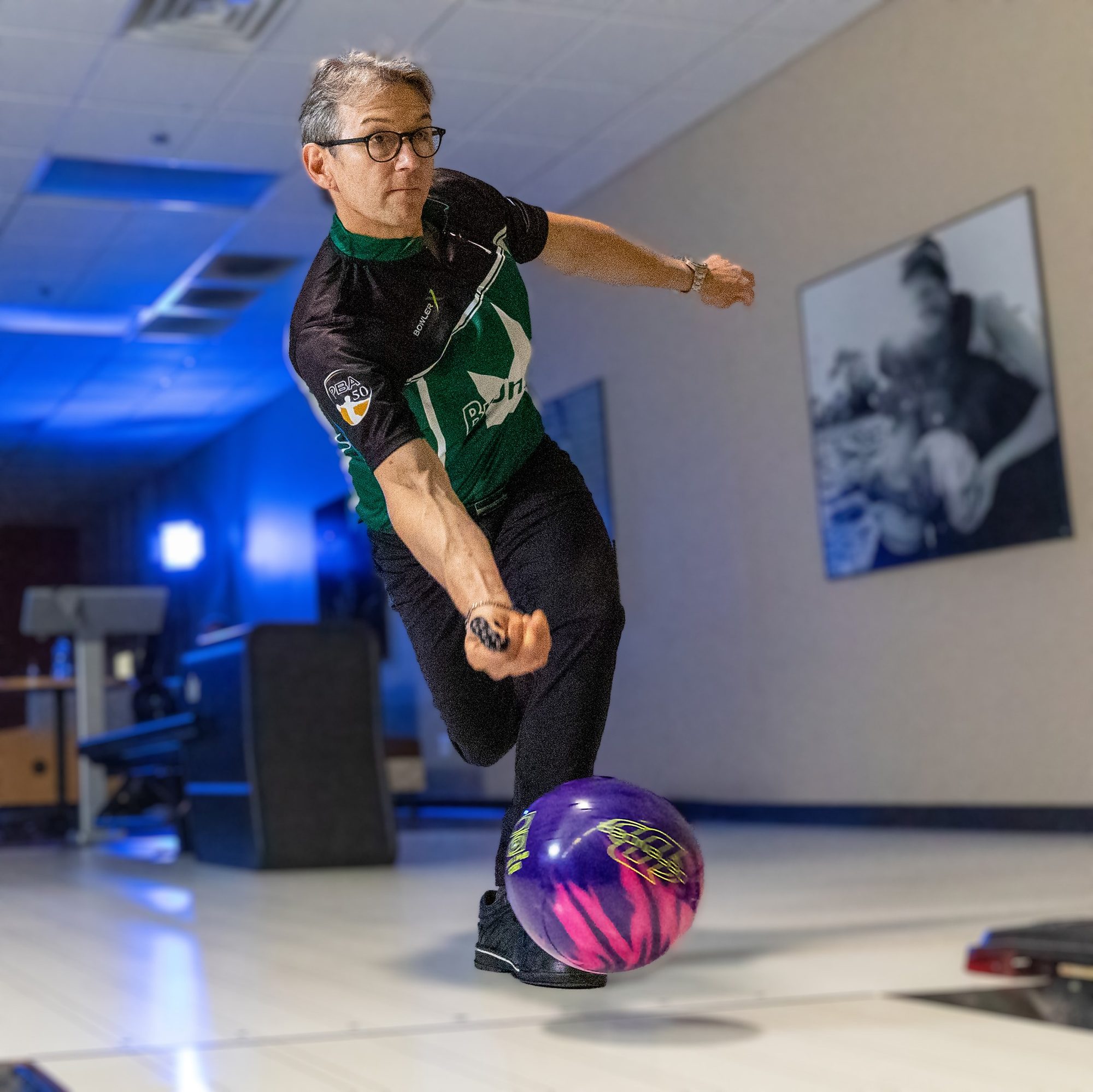
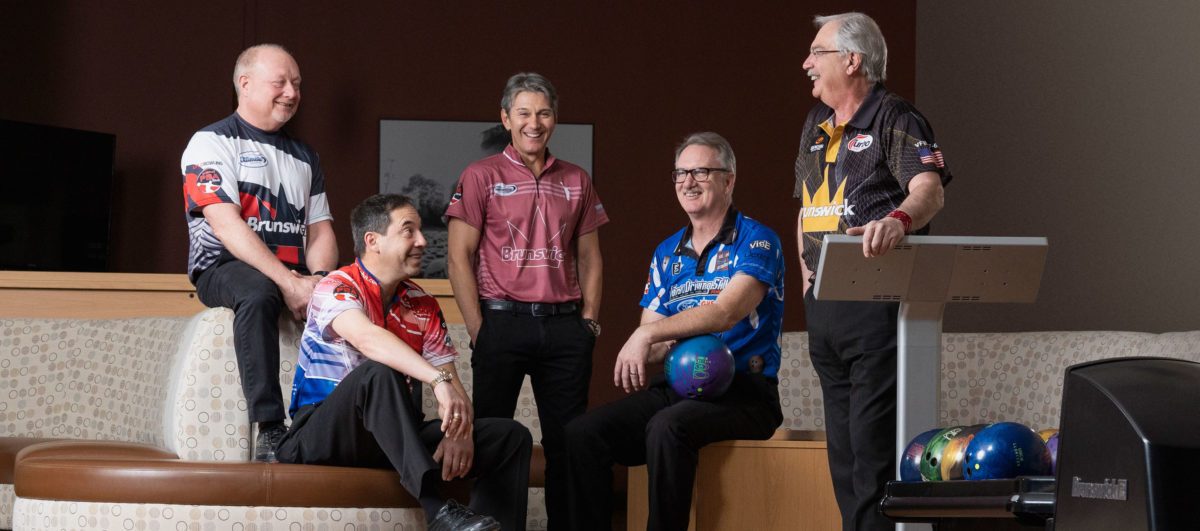
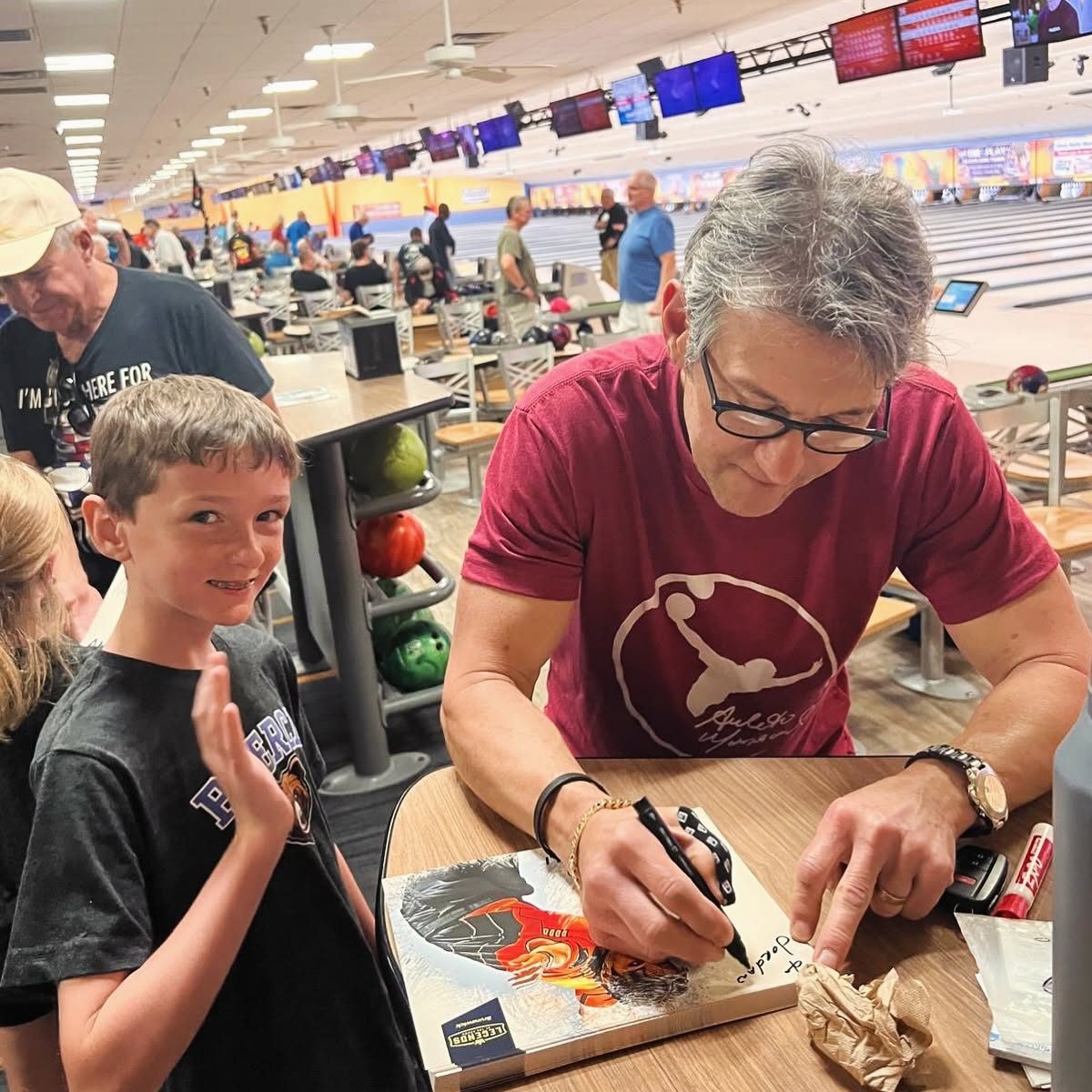
Looking back, I realize my role was never simply to design. It was to help ensure that Amleto’s public image evolved with the same excellence, discipline and consistency that defined his career on the lanes.
He gave a 21-year-old designer the opportunity to enter an industry I knew almost nothing about. In return, I dedicated myself to learning that world until it became my own.
Fourteen years later, we’re still creating together. And I still approach every project with the same belief that started it all:
Great brands aren’t built through isolated projects. They’re built through trust, consistency, and a shared commitment to always move forward.