How a website redesign became a new standard for how bowling products are experienced online — and helped redefine the visual language of an entire industry.
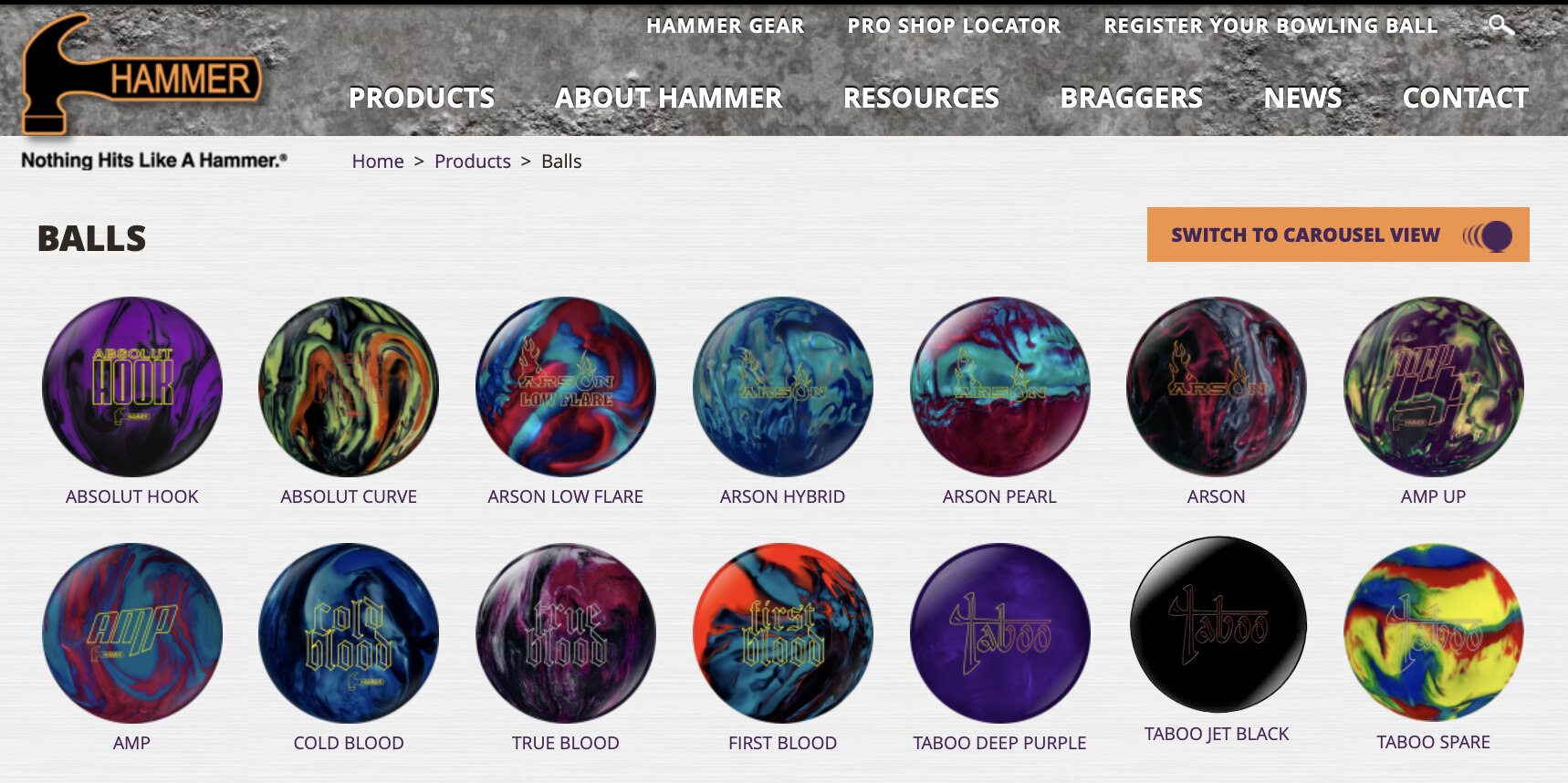
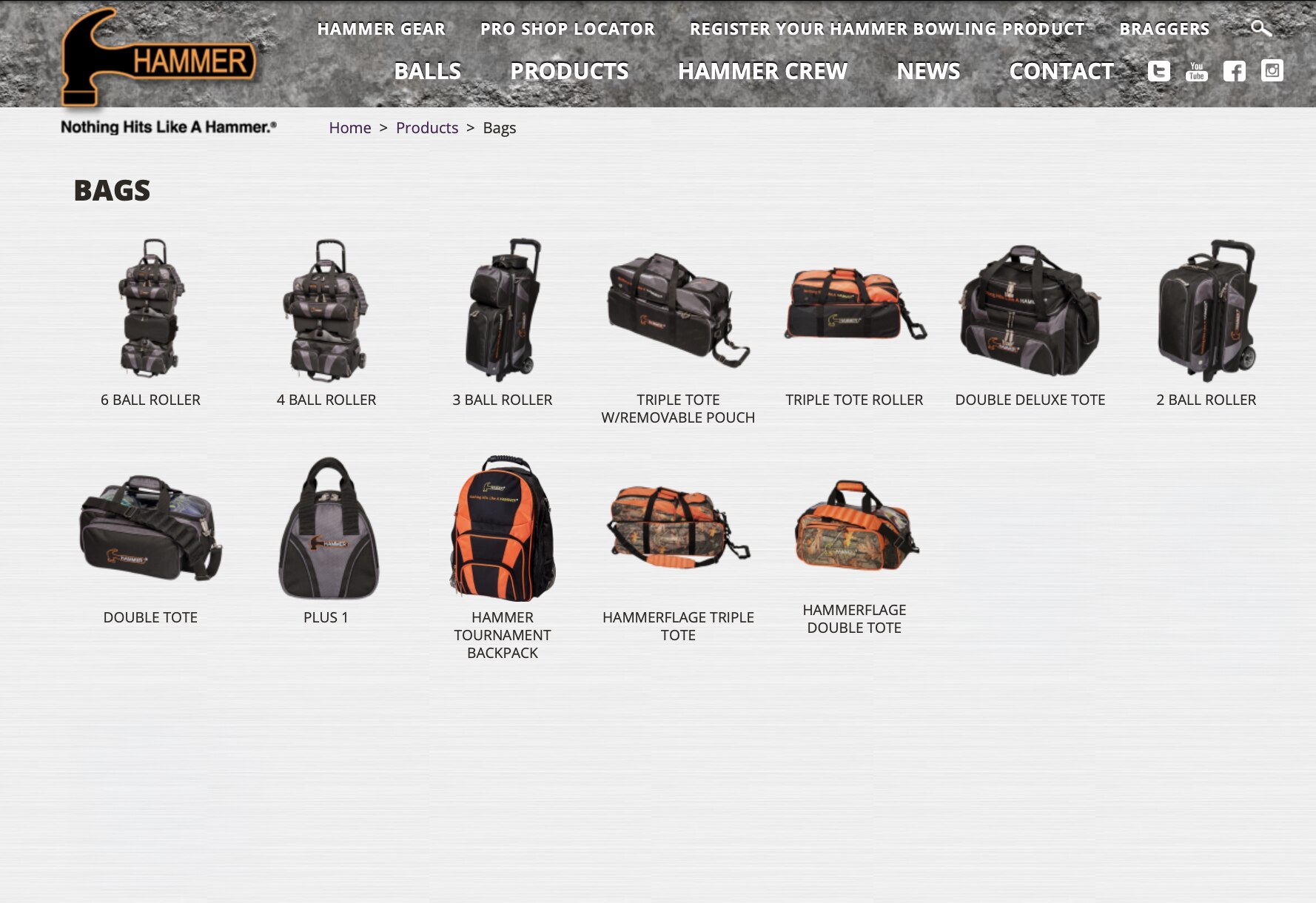
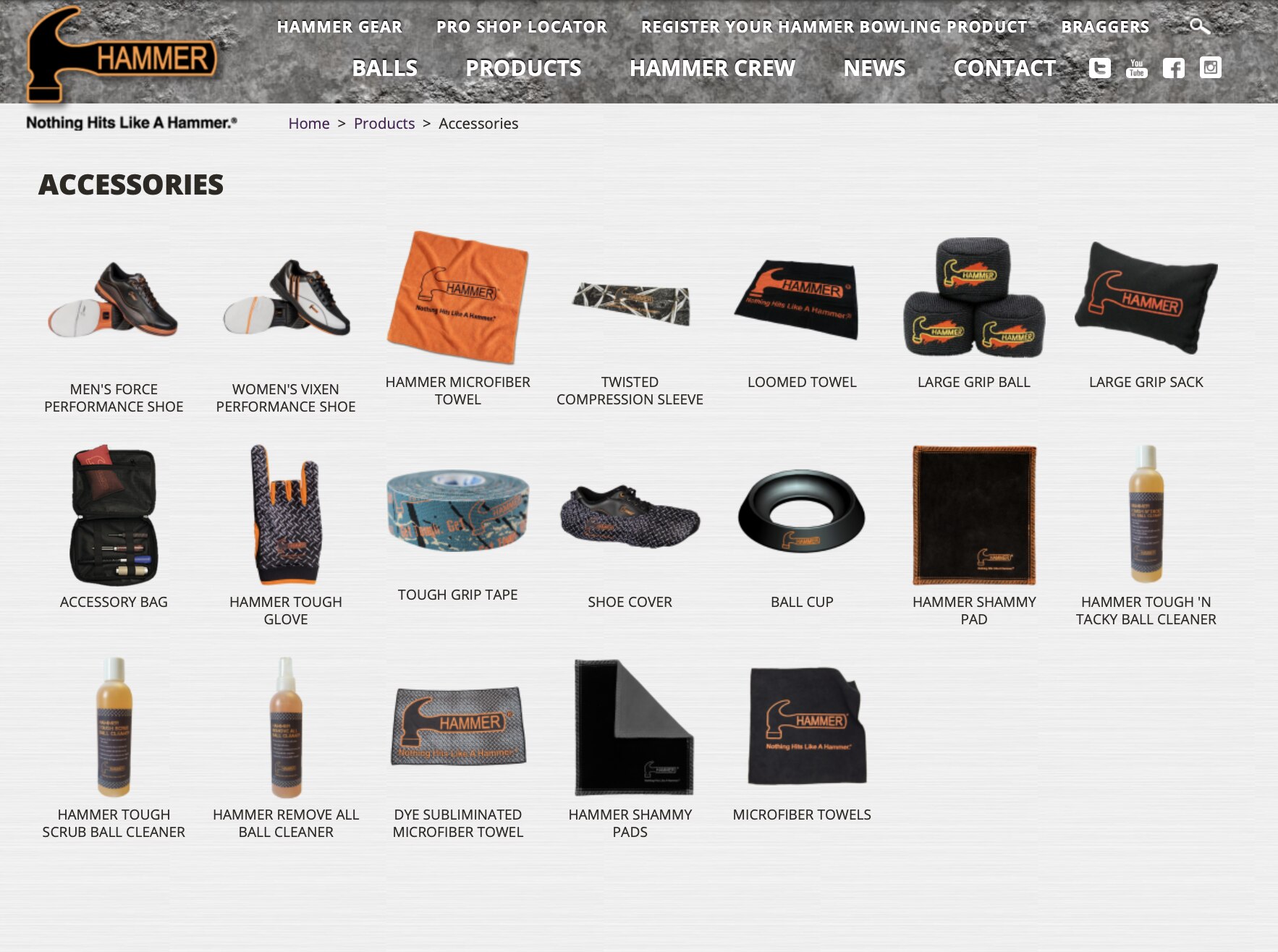
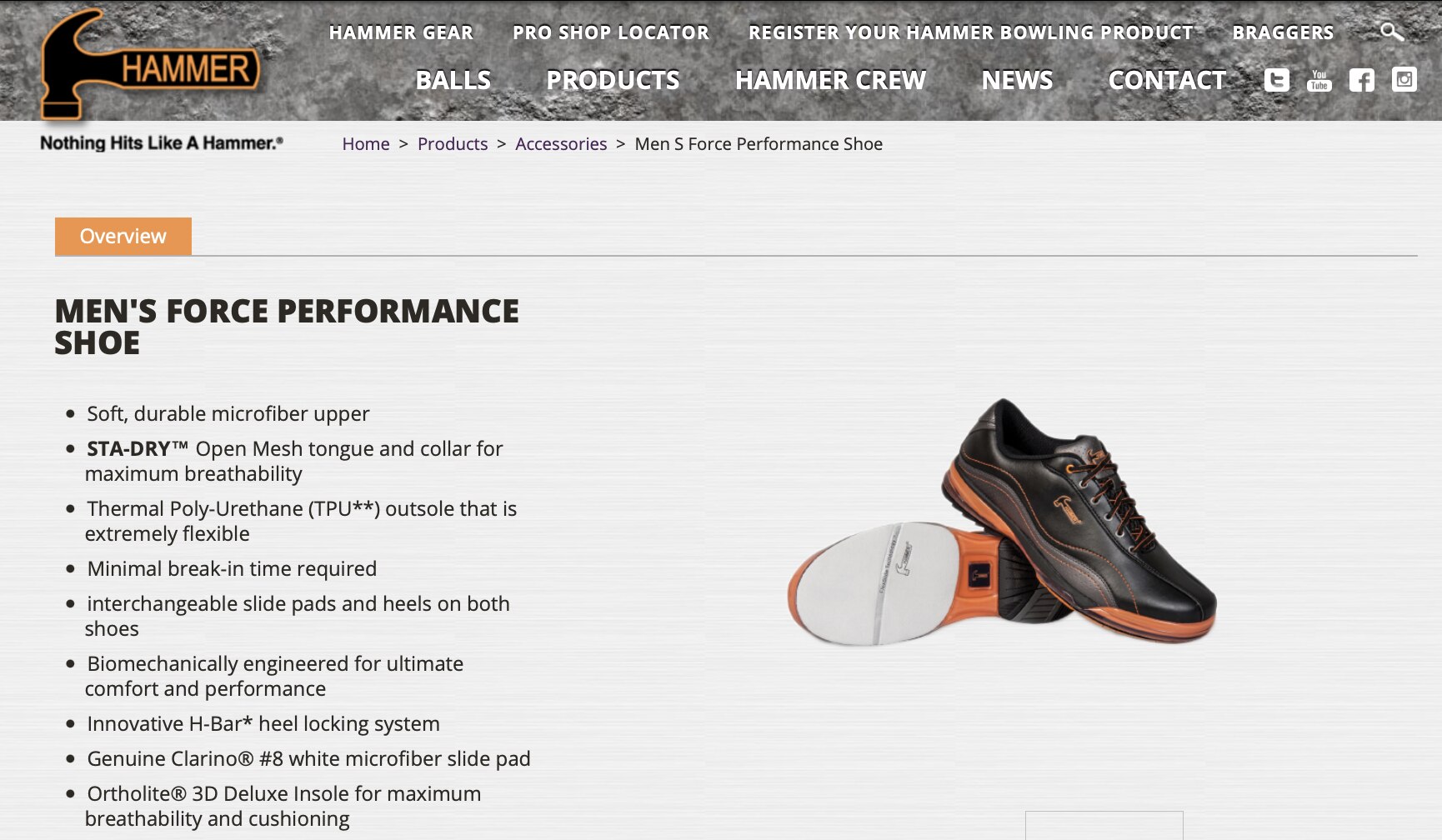
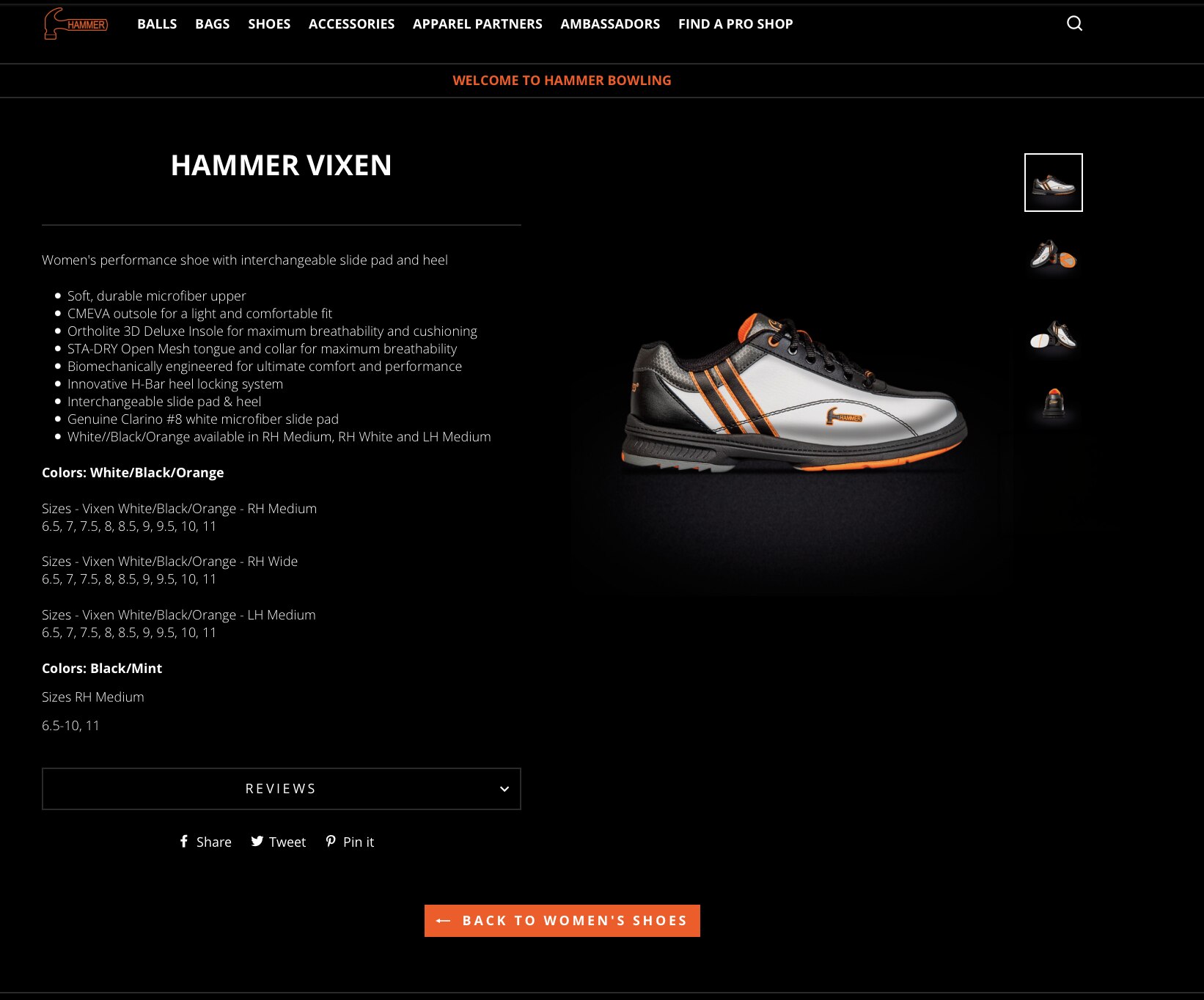
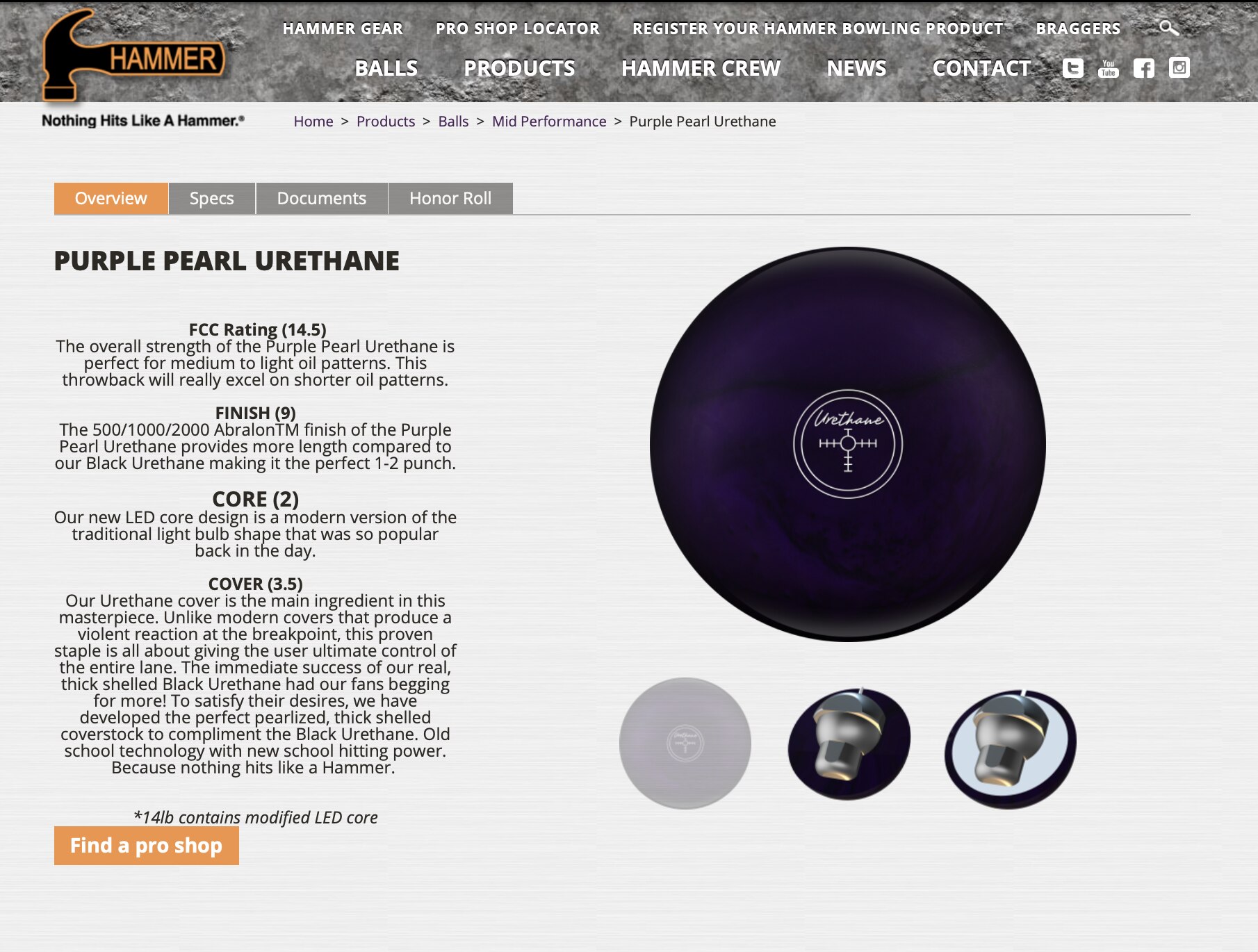
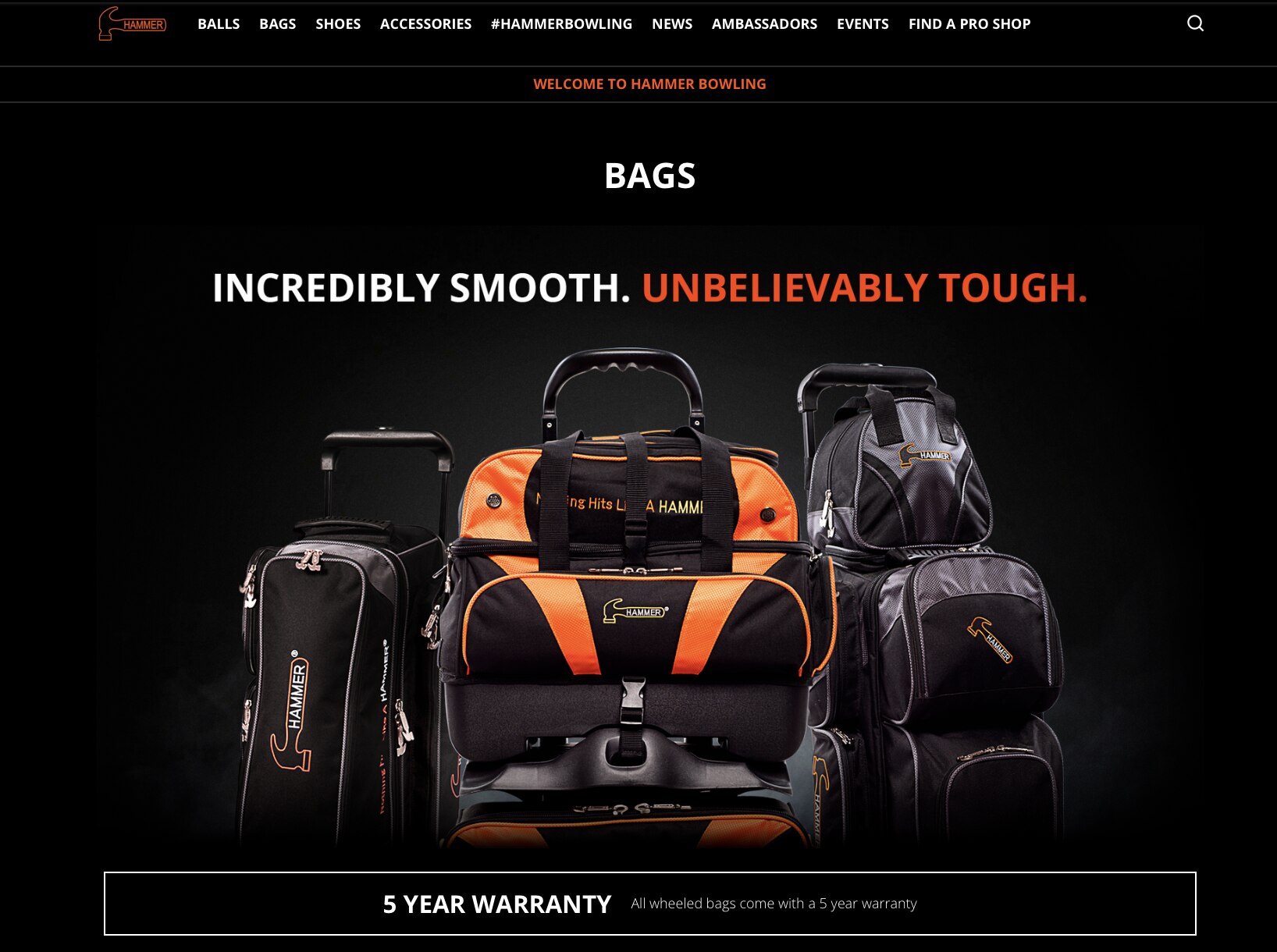
The first step was identifying a problem that most of the industry had accepted as normal. Premium products were being presented in ways that diminished their perceived value. Across the category, bowling equipment was displayed as flat cutouts with minimal depth, little atmosphere, and almost no visual differentiation.
Hammer deserved a presentation system that reflected the quality of its products and the strength of its brand. The products were world-class. The presentation was not.
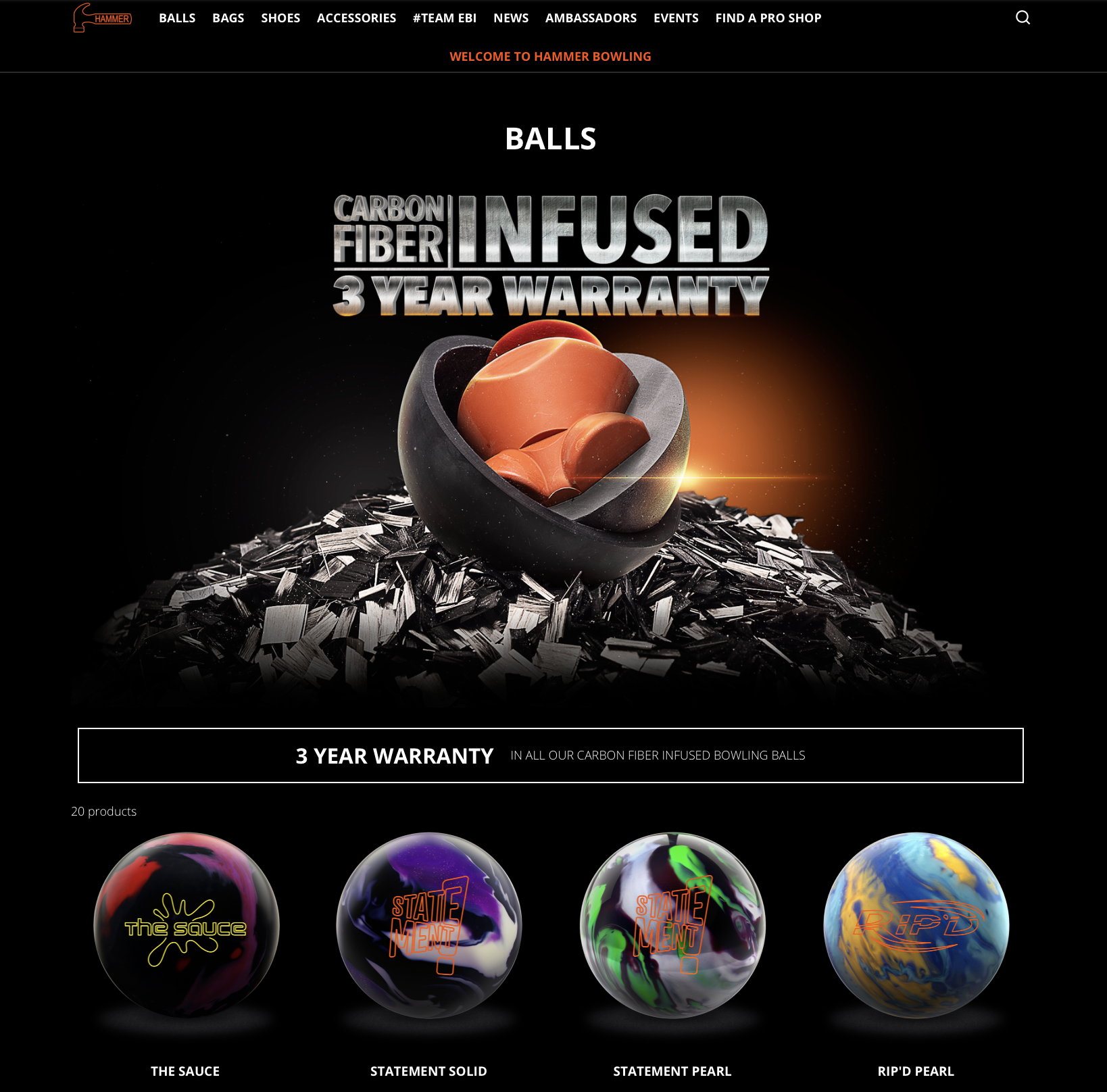
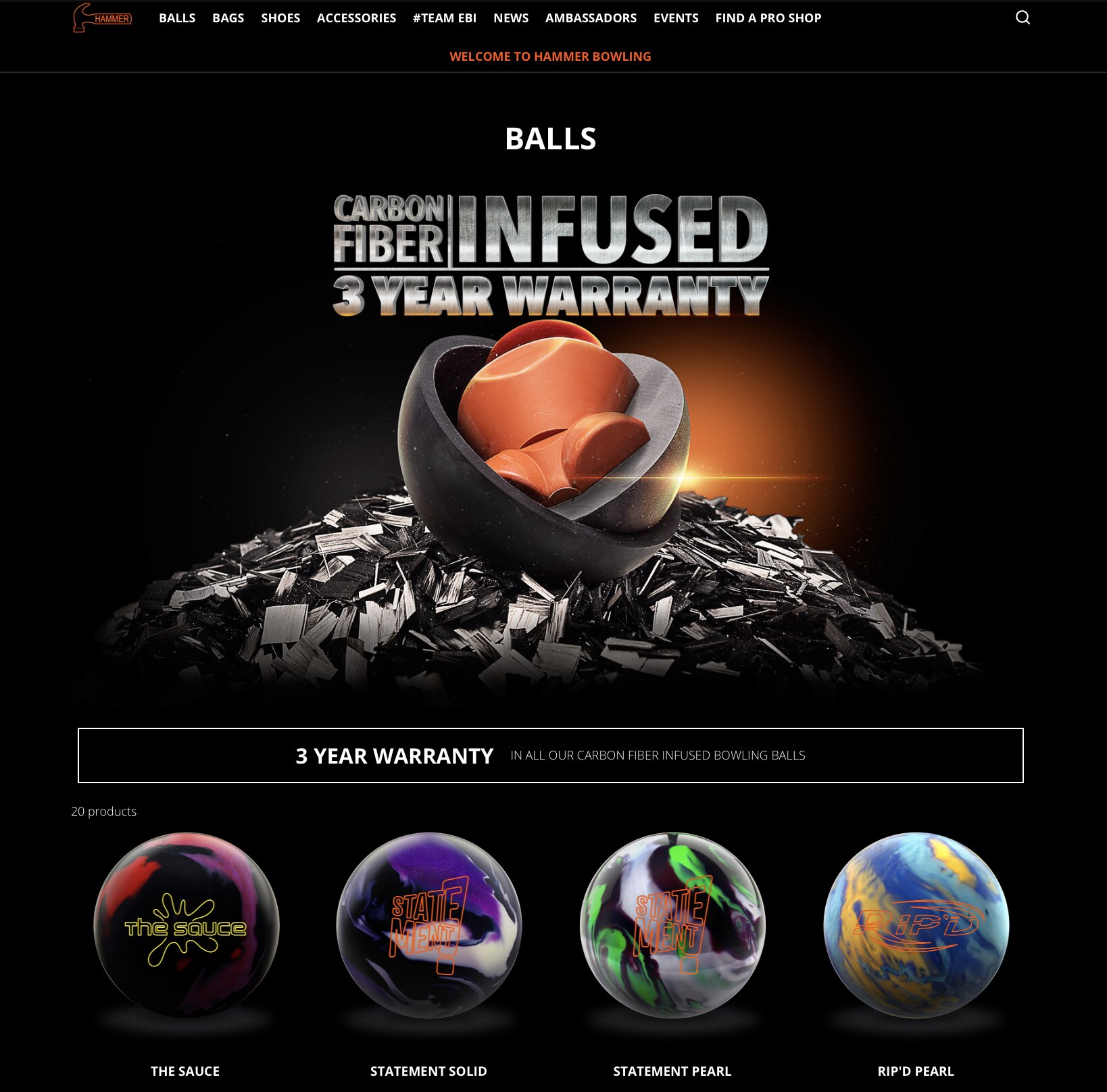
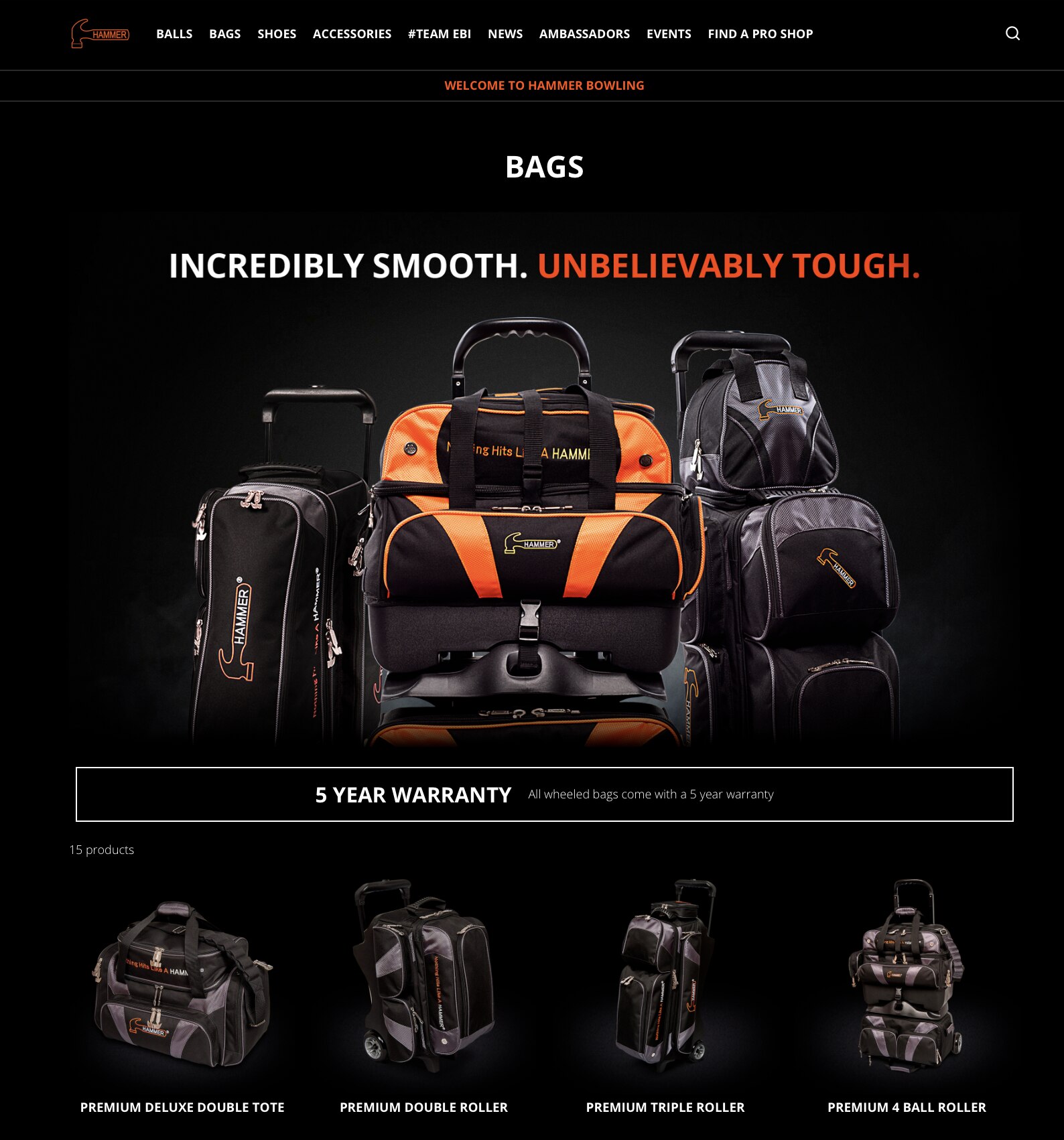
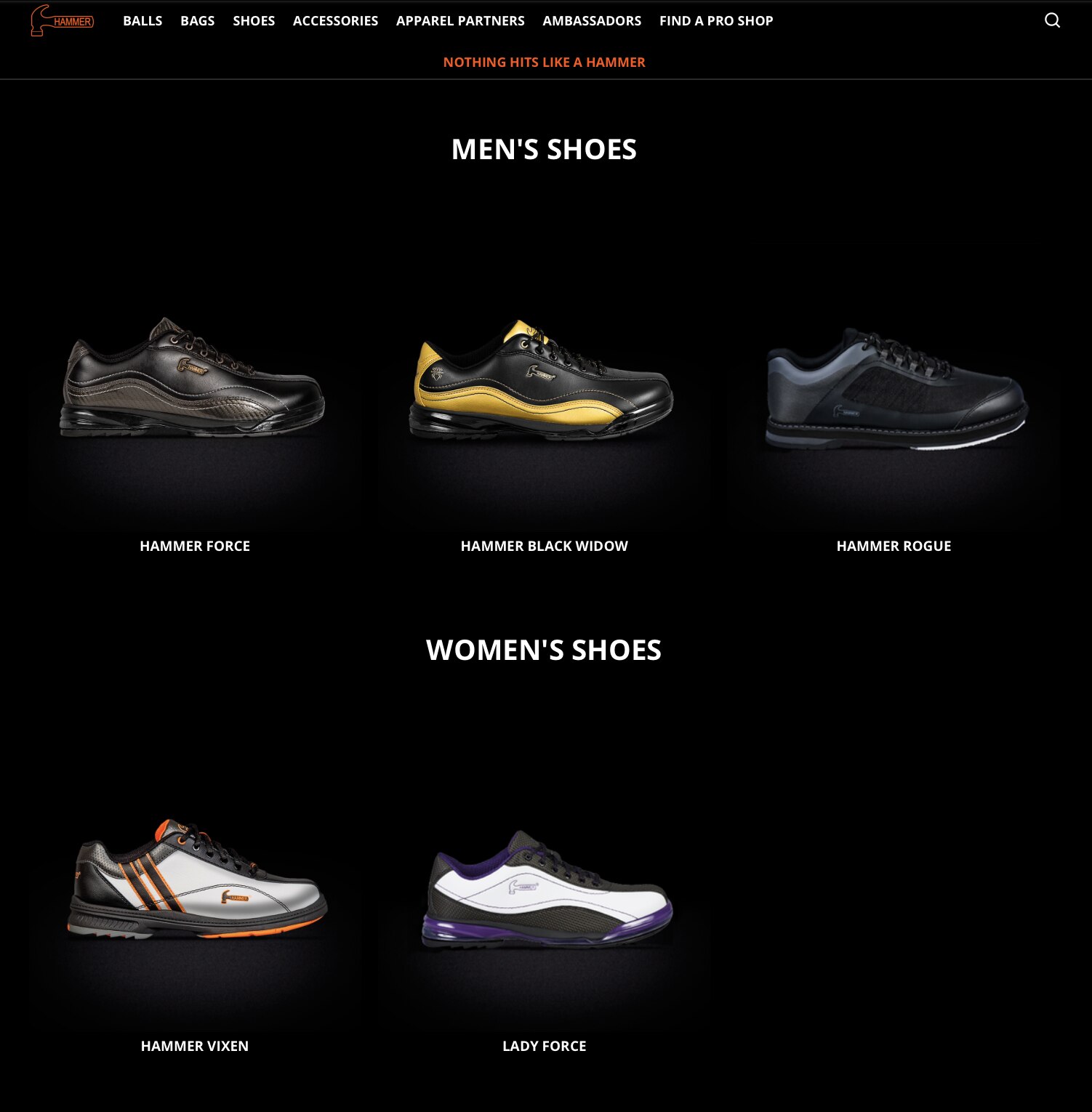
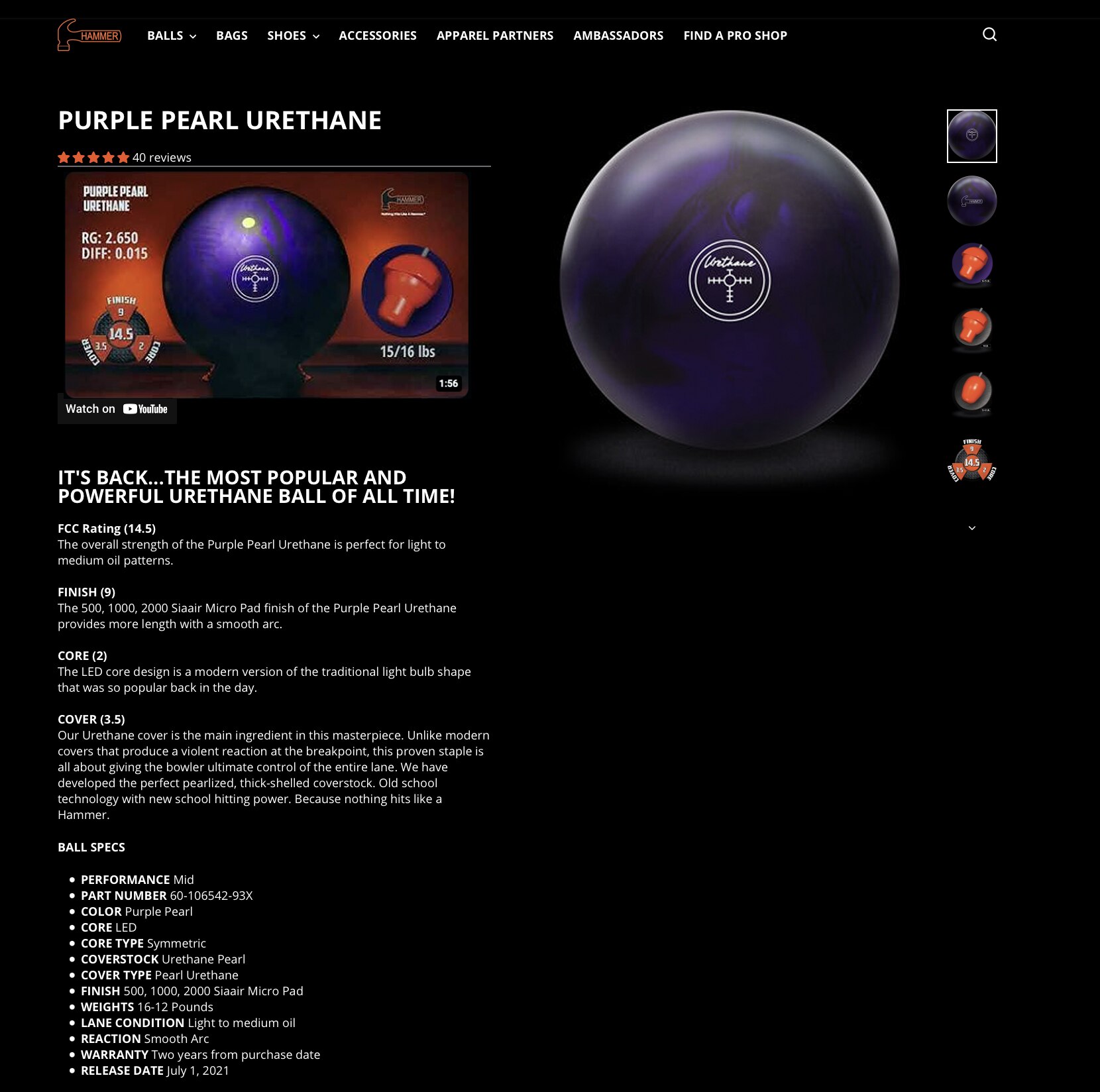
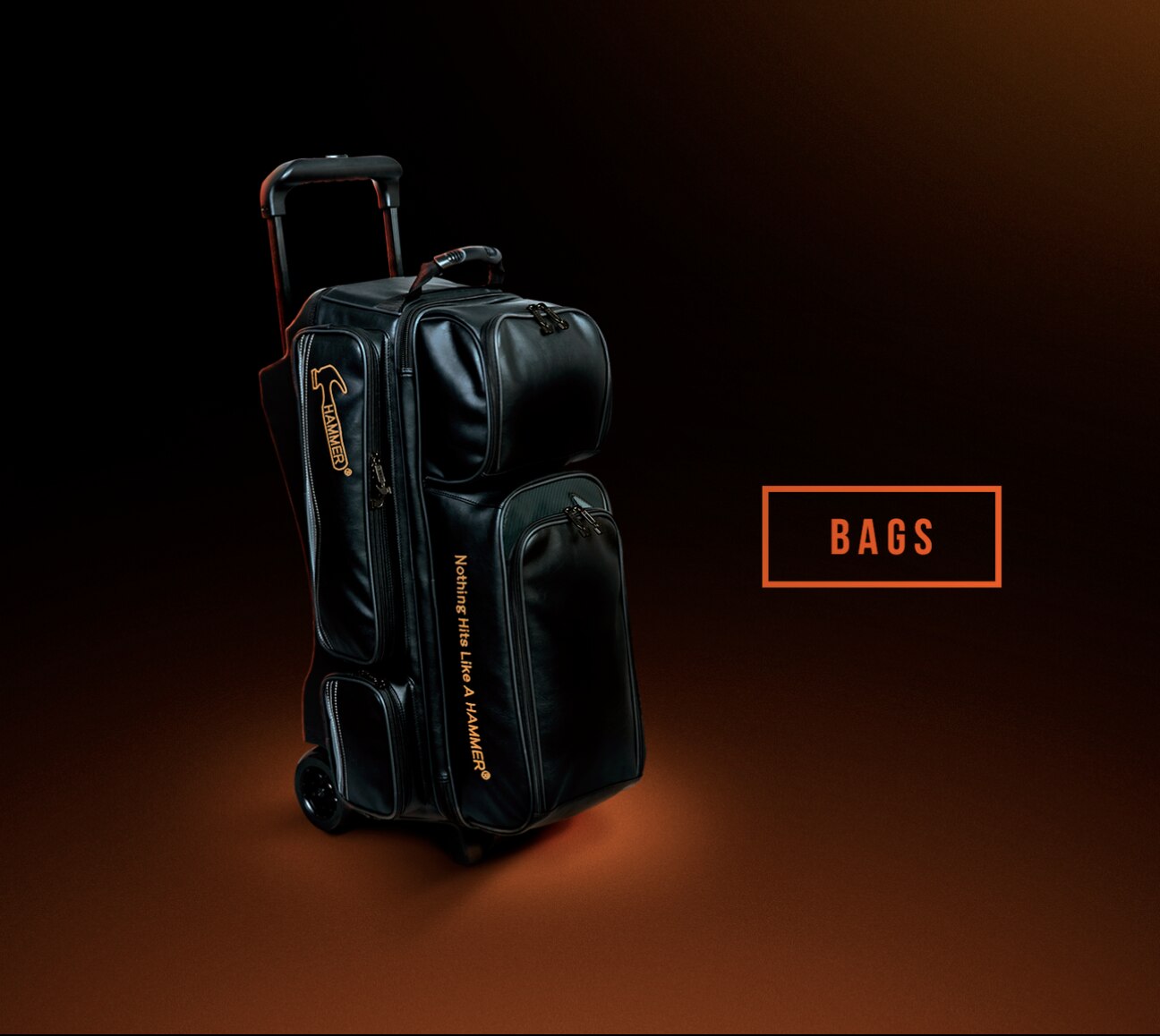
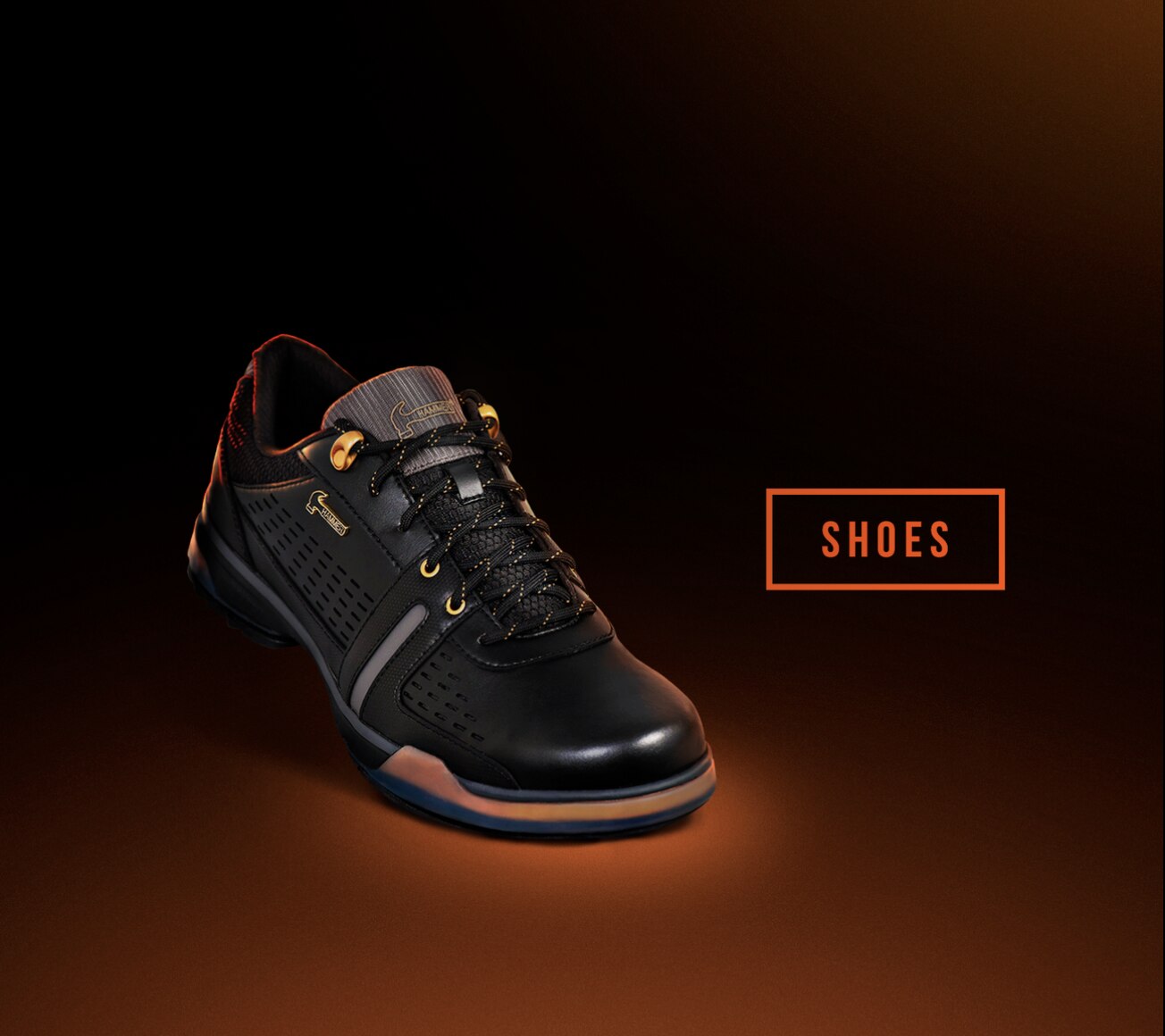
Rather than redesigning a website, the project evolved into the creation of a complete product presentation system. The goal was to increase perceived value before a customer read a single specification.
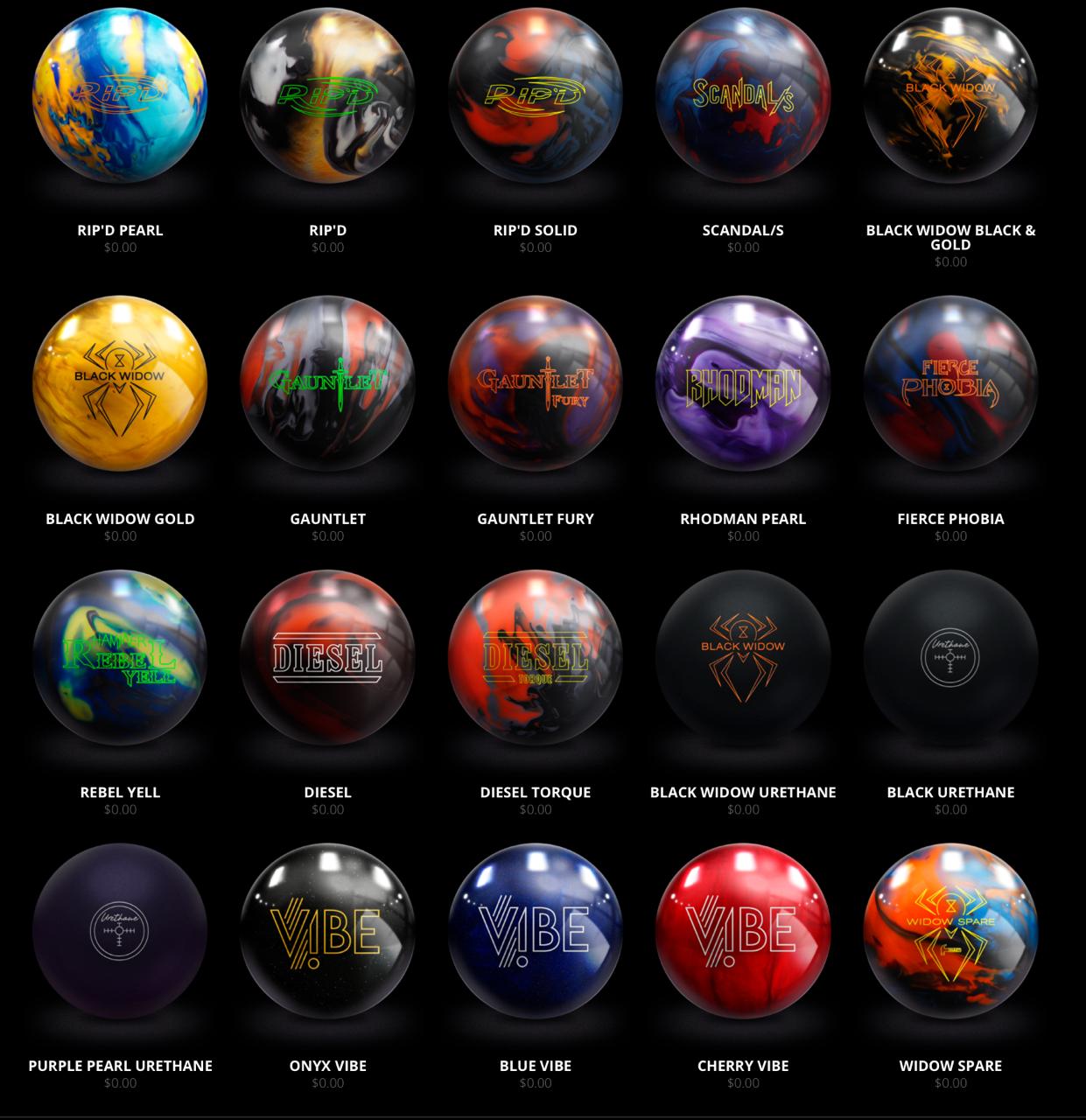
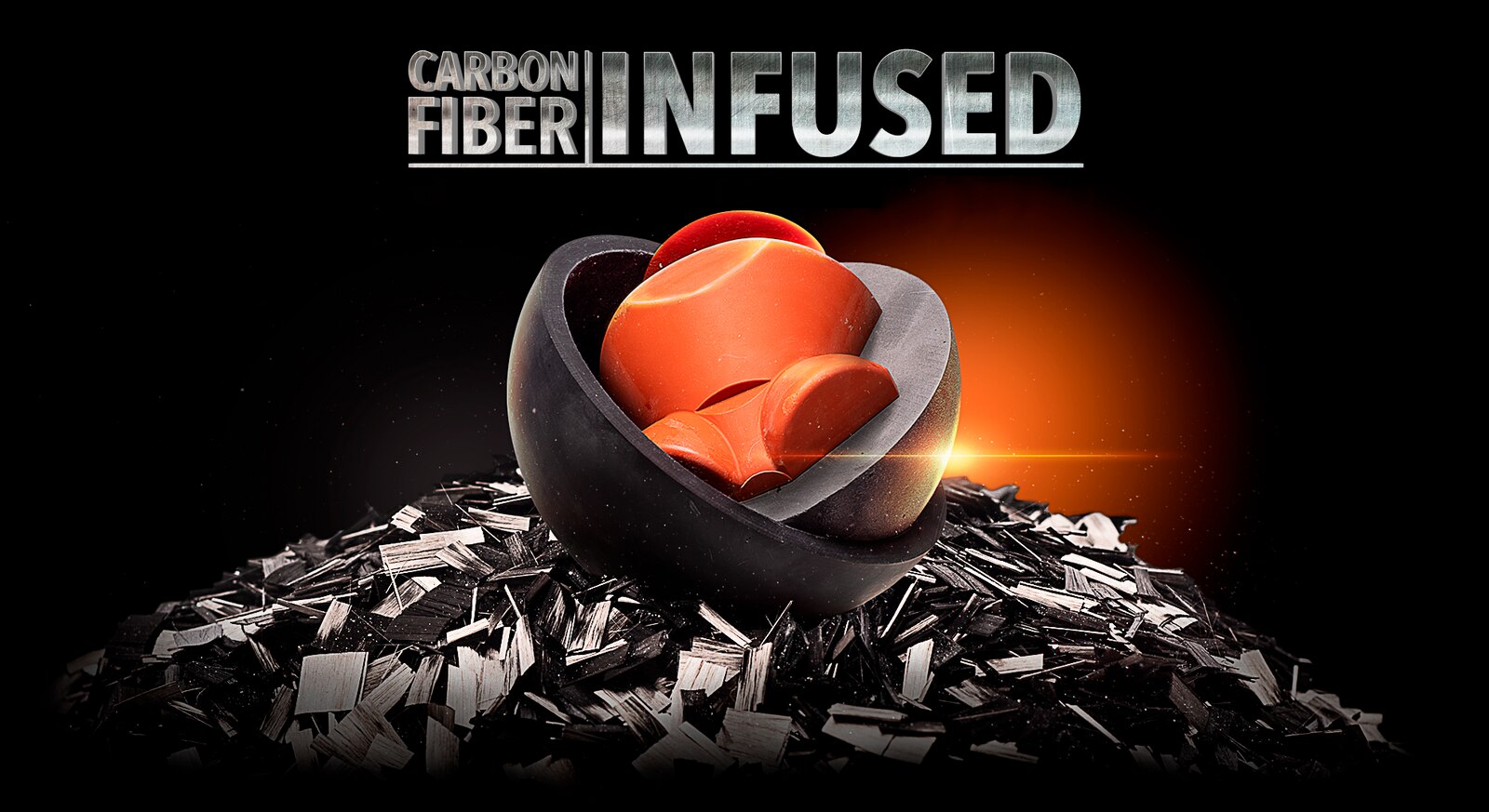
Pearl, matte and polished coverstocks were visually treated according to their real-world characteristics. Products stopped feeling like graphics. They started feeling tangible.
The project did not end with launch. It helped establish a new visual benchmark within the bowling industry. What began as a redesign evolved into a product presentation system that influenced how bowling brands showcased products online.
The work demonstrated that product perception could be intentionally designed. The industry gradually moved toward more dimensional, material-driven product presentation. Hammer was no longer following category conventions. It was helping define them.
The redesign transformed customer interaction from passive browsing into active participation. Ongoing product registrations and customer engagement continued well beyond the launch window.
The most important outcome was not a visual redesign. It was a shift in perception.
The project proved that premium products deserve premium presentation — and that the gap between physical quality and digital representation is not inevitable. It can be intentionally closed.
What started as a website redesign became a new standard for how bowling products were experienced online. The visual language introduced through this project — dimensional rendering, material-aware lighting, dark environments designed around the product — gradually became the new baseline for the category.
The products remained the same. The perception changed. That is the power of brand transformation.